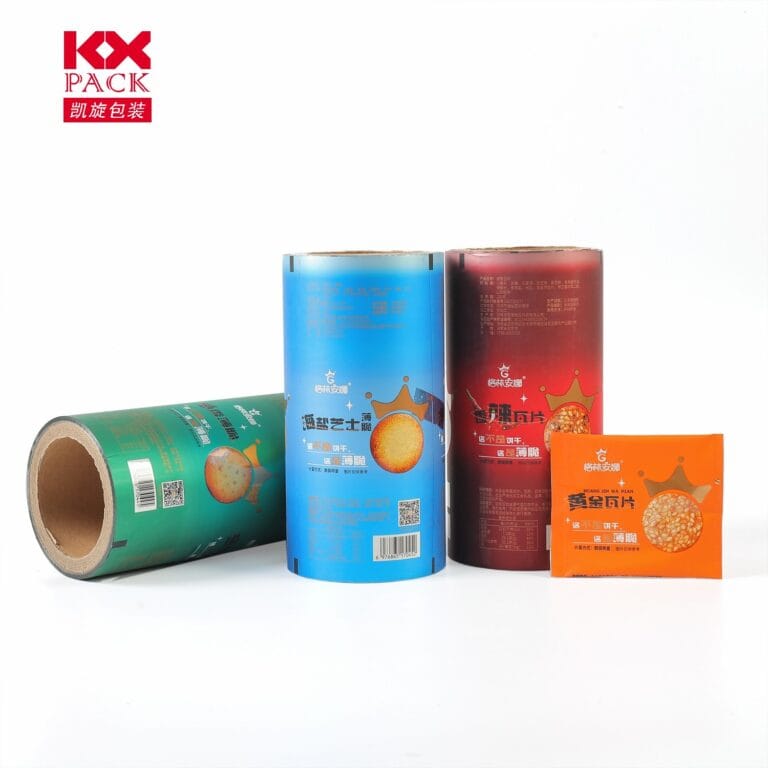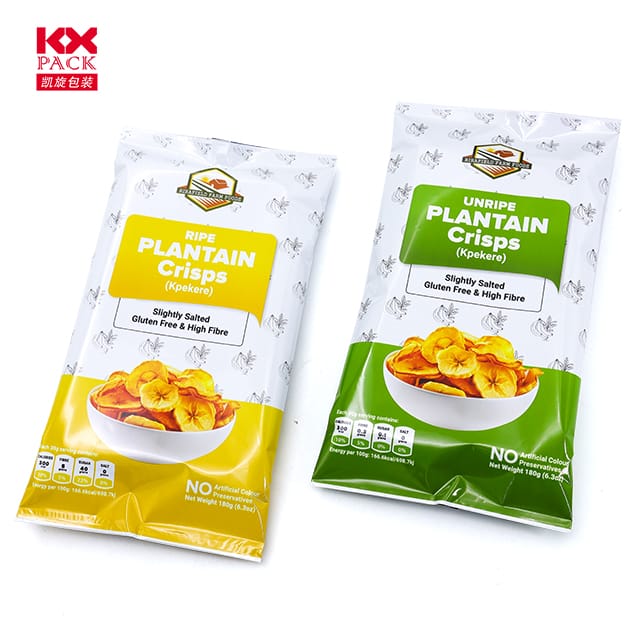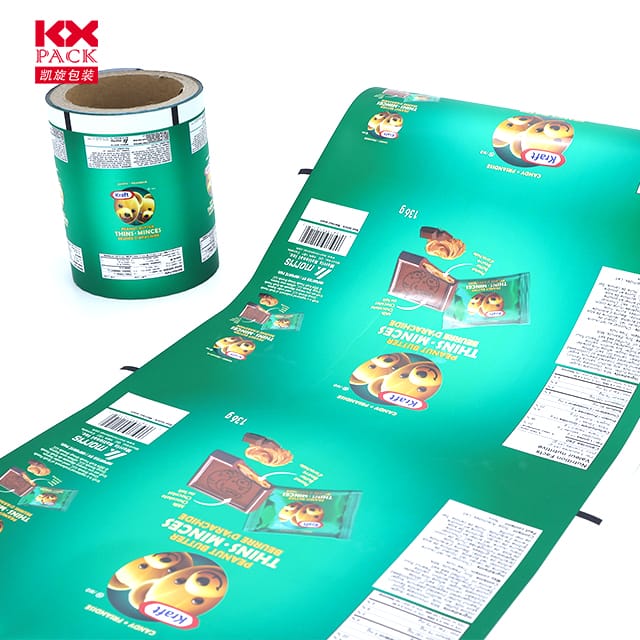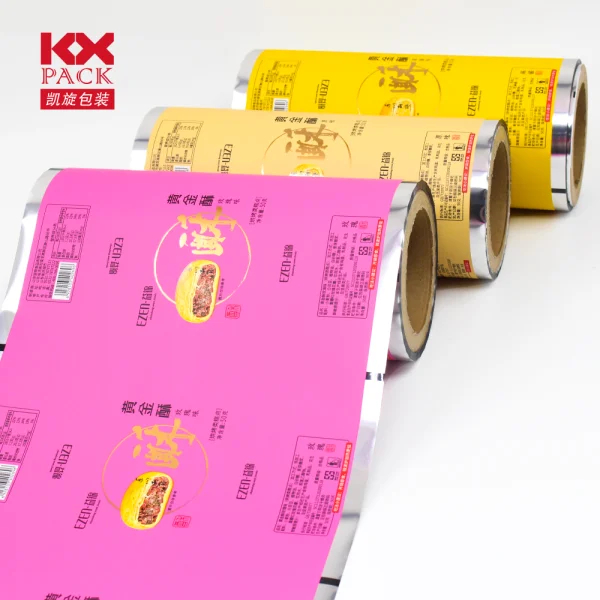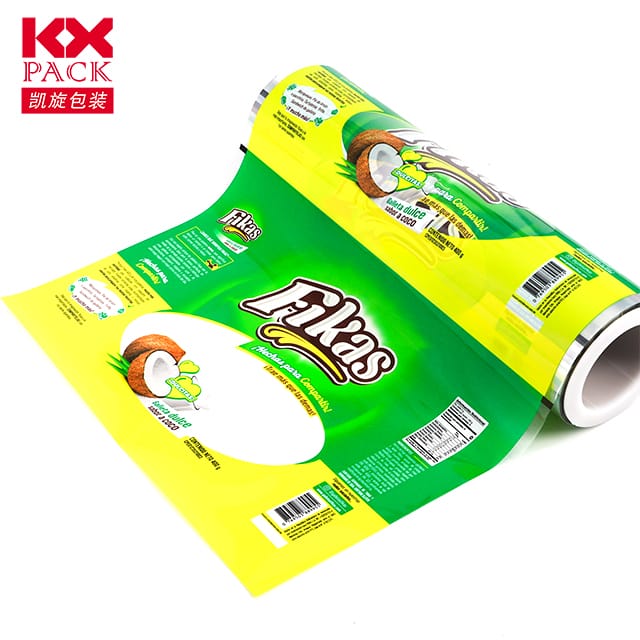
Ο βασικός ρόλος και οι περιβαλλοντικές ανησυχίες της πλαστικής μεμβράνης για τη συσκευασία τροφίμων
Πλαστική μεμβράνη
In the modern world, Το πλαστικό για τη συσκευασία τροφίμων έχει γίνει ένα απαραίτητο μέρος της καθημερινής μας ζωής. Από τα ράφια των σούπερ μάρκετ μέχρι τις κουζίνες του σπιτιού μας, Αυτό το ευπροσάρμοστο υλικό διαδραματίζει κρίσιμο ρόλο στη διατήρηση της ποιότητας των τροφίμων, Επέκταση της διάρκειας ζωής, και μείωση της σπατάλης τροφίμων. Ωστόσο, Καθώς μεγαλώνει η δημοτικότητά της, so do concerns about its environmental impact. Let’s dive into the dual nature of plastic film for food—its benefits and the challenges it poses.
The Benefits of Plastic Film for Food
- Preservation and Freshness
Plastic acts as a barrier against oxygen, υγρασία, και μολυντές, significantly slowing down the spoilage process. It keeps fruits, λαχανικά, κρέατα, and baked goods fresher for longer, reducing the need for frequent shopping trips and minimizing food waste at home. - Convenience and Hygiene
Pre-packaged foods wrapped in film offer unmatched convenience for busy consumers. They also ensure hygiene by protecting food from physical contaminants and cross-contamination during transportation and storage. - Αποδοτικότητα κόστους
For manufacturers and retailers, plastic film is an affordable and lightweight packaging solution. Its low cost and durability make it ideal for mass production and distribution, helping keep food prices stable. - Ευστροφία
Available in various forms (Π.χ., περιτύλιγμα, συρρικνωμένο περιτύλιγμα, vacuum-sealed bags), plastic film adapts to different food types and packaging needs. Its transparency also allows consumers to inspect products before purchase.
The Environmental Drawbacks
Παρά τα πλεονεκτήματά του, plastic film for food packaging is not without downsides:
- Μη βιοαποδομησιμότητα
Most films are made from polyethylene (Π.Ε) ή πολυπροπυλένιο (PP), which take hundreds of years to decompose. This leads to long-term pollution in landfills, ωκεανός, και οικοσυστήματα. - Προκλήσεις Ανακύκλωσης
While some films are recyclable, many end up in mixed waste streams due to contamination or lack of proper recycling infrastructure. Thin films, προπαντός, often clog sorting machines at recycling facilities. - Μικροπλαστική ρύπανση
When plastic film degrades, it breaks into microplastics that infiltrate soil, νερό, και την τροφική αλυσίδα. These tiny particles pose health risks to humans and wildlife. - Πολιτισμός μιας χρήσης
The convenience of disposable plastic film encourages a throwaway culture, exacerbating global plastic pollution.
Sustainable Alternatives and Solutions
Addressing the environmental impact of film requires a multi-pronged approach:
- Βιοαποικοδομήσιμες και λιπασματικές ταινίες
Innovations in bioplastics, such as PLA (πολυξικό οξύ) derived from corn starch or algae-based films, offer eco-friendly alternatives. These materials decompose naturally in industrial composting facilities. - Επαναχρησιμοποιήσιμα Συστήματα Συσκευασίας
Brands are exploring reusable containers, silicone food wraps, and beeswax wraps as sustainable substitutes for single-use plastic film. - Improved Recycling Infrastructure
Governments and industries must invest in better recycling technologies and consumer education to increase plastic film recycling rates. - Reduced Packaging
Minimalist packaging designs and bulk-buying options can cut down on plastic film usage without compromising food safety. - Policy Interventions
Bans or taxes on single-use plastics, coupled with incentives for sustainable packaging, can drive market shifts toward greener alternatives.
Ευθύνη Καταναλωτή
As individuals, we can also make a difference:
- Opt for products with minimal or eco-friendly packaging.
- Reuse plastic film where possible (Π.χ., for storing leftovers).
- Participate in local recycling programs and advocate for better waste management.
- Support brands committed to sustainability.
συμπέρασμα
Plastic film for food packaging is a double-edged sword—a lifesaver for food preservation but a threat to the planet. Striking a balance between convenience and sustainability requires innovation, policy changes, and collective action. Με την αγκαλιά των εναλλακτικών, improving recycling, και μείωση των αποβλήτων, we can enjoy the benefits of plastic film without sacrificing the health of our environment. The future of food packaging lies in smarter, greener solutions—and it starts with us.
What are your thoughts on plastic film for food? Share your tips for reducing plastic waste in the comments below! 🌍🥦