Ο ρόλος των πλαστικοποιημένων μεμβρανών στην επανάσταση στις συσκευασίες τροφίμων (3)
Λαμιναρισμένες ταινίες
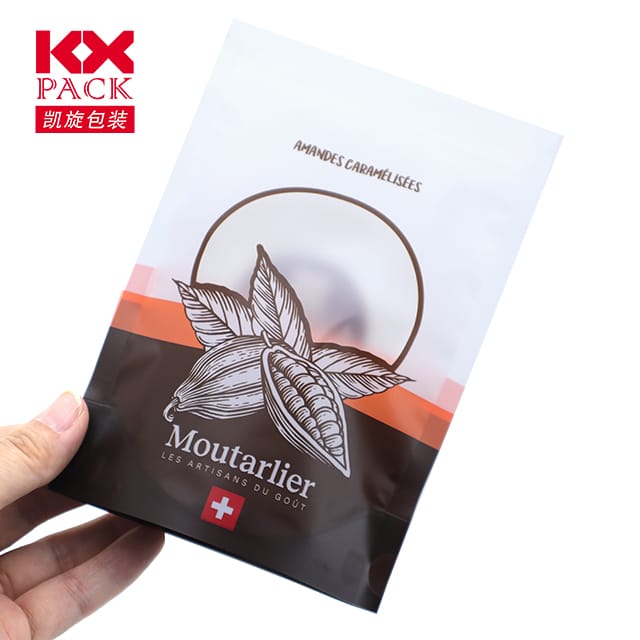
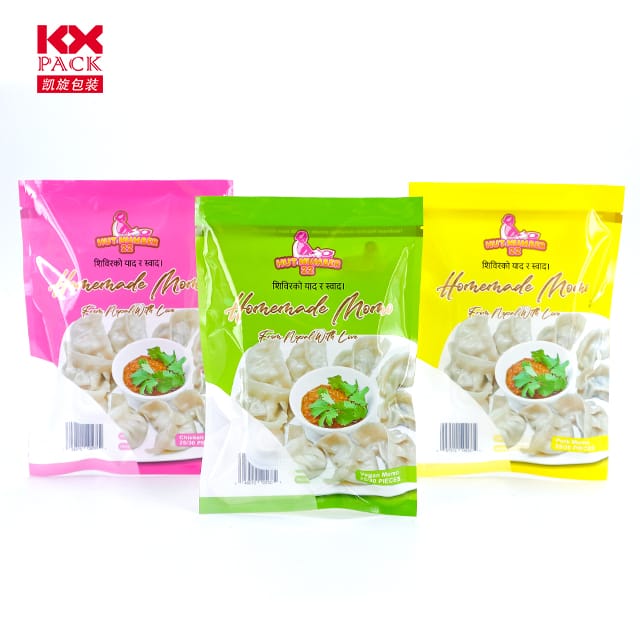
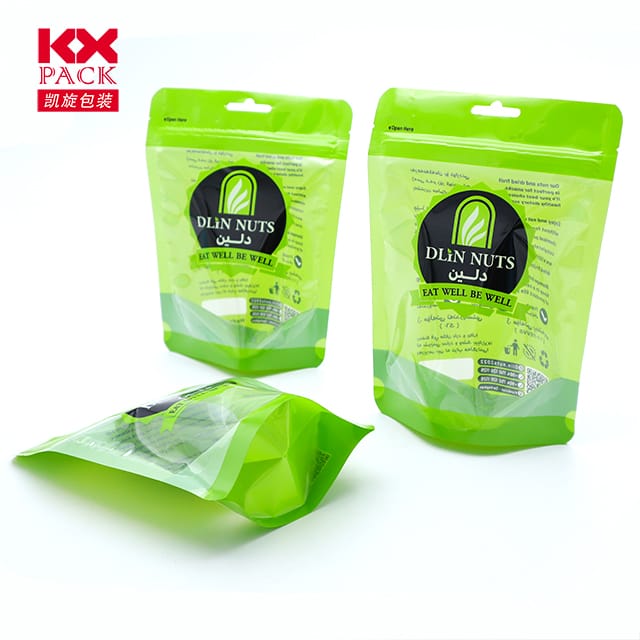
In the ever-evolving landscape of food packaging, laminated films έχουν αναδειχθεί ως αλλαγή του παιχνιδιού, προσφέροντας έναν αρμονικό συνδυασμό λειτουργικότητας, βιότης, και αισθητική έκκληση. Αυτά τα πολυμερή υλικά πολλαπλών στρωμάτων έχουν σχεδιαστεί για να προστατεύουν τα προϊόντα διατροφής ενώ ικανοποιούν τις απαιτήσεις των σύγχρονων καταναλωτών και τα ρυθμιστικά πρότυπα. Let’s delve into why laminated films are a cornerstone of the food packaging industry.
What Are Laminated Films?
Laminated films are composite materials created by bonding two or more layers of different polymers (Π.χ., ΚΑΤΟΙΚΙΔΙΟ ΖΩΟ, Π.Ε, PP, Πομόνια, or aluminum foil) using adhesives or co-extrusion. This layering allows manufacturers to tailor properties like:
- Barrier protection: Blocking moisture, οξυγόνο, φως, και μυρωδιές.
- Mechanical strength: Withstanding punctures, κλάματα, και διακυμάνσεις της θερμοκρασίας.
- Σφράγισμα: Ensuring airtight closures for extended freshness.
- Εκτυπώσιμο: High-quality graphics for branding and consumer engagement.
Key Advantages in Food Packaging
- Βελτιωμένη διάρκεια ζωής
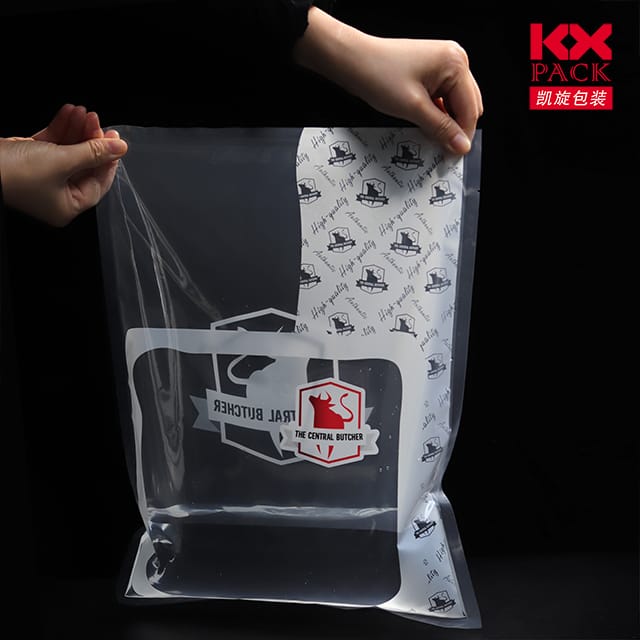
By creating a barrier against external elements, laminated films significantly extend the freshness of perishables like meats, τυριά, και σνακ. Για παράδειγμα, a PET/Aluminum/PE laminate can block up to 99% of oxygen, preventing oxidation and microbial growth. - Versatility Across Applications
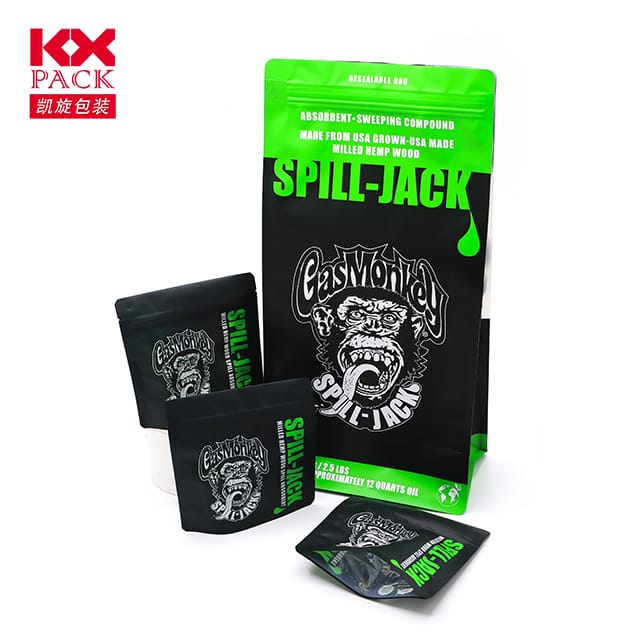
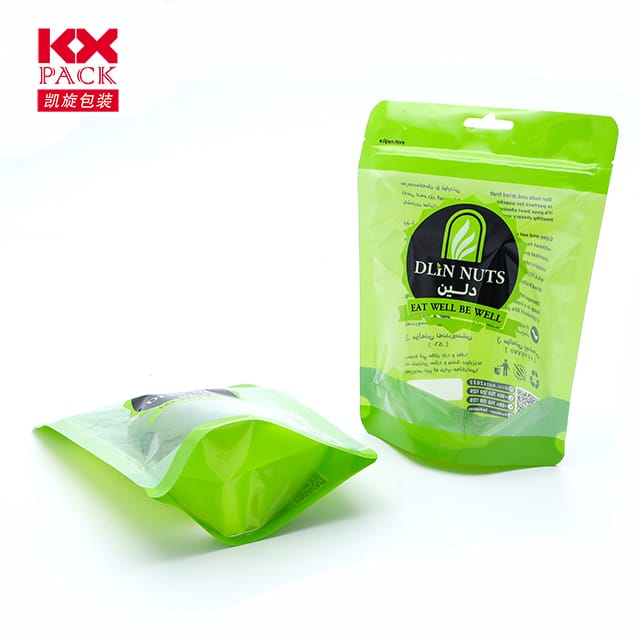
- Flexible packaging: Pouches, σακχάκια, and flow wraps for snacks, καφές, and pet food.
- Rigid containers: Lids and trays for ready meals or dairy products.
- Specialized uses: Microwaveable bags, retort pouches for sterilized foods, and vacuum-packed goods.
- Sustainability Push
Modern laminated films are increasingly designed with recyclability and compostability in mind. Οι καινοτομίες περιλαμβάνουν:- Δομές μονο-υλικού: Simplifying recycling streams.
- Bio-based polymers: Derived from renewable sources like corn starch or sugarcane.
- Reduced thickness: Lightweighting to lower carbon footprints without compromising performance.
- Διαφοροποίηση Μάρκας
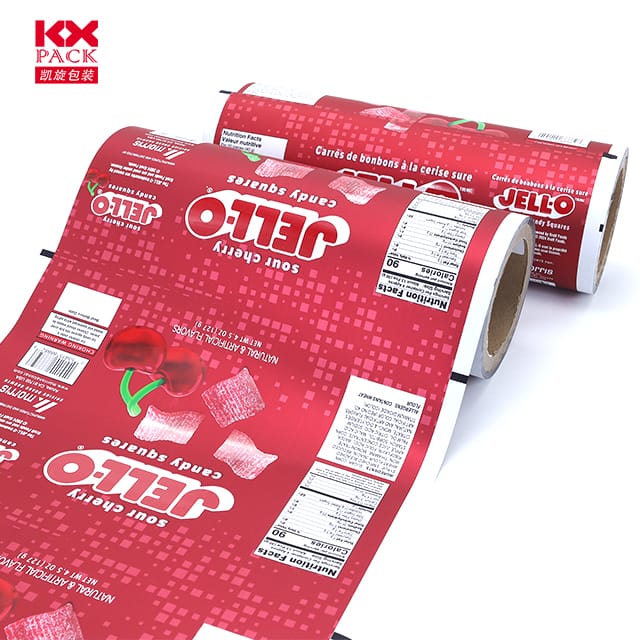
The smooth surface of laminated films allows for vibrant printing, ματ φινιρίσματα, ή ολογραφικά εφέ, enabling brands to stand out on crowded shelves.
Addressing Environmental Concerns
While traditional multi-material laminates were criticized for recyclability challenges, the industry is rapidly adapting:
- Advanced sorting technologies: Optical sorters and chemical recyclers can now separate layers.
- Μοντέλα κυκλικής οικονομίας: Partnerships between brands and recyclers to capture post-consumer waste.
- Πιστοποιήσεις: Compliance with standards like FSC™ (for paper-based laminates) ή Εντάξει κομπόστ (for biodegradable options).
Μελλοντικές Τάσεις
- Έξυπνη ενσωμάτωση συσκευασίας
Laminates embedded with sensors or QR codes could monitor freshness or trace product origins in real time. - Nano-enhanced Barriers
Incorporating nanomaterials to improve gas barrier properties while reducing overall film thickness. - Closed-loop Systems
Collaborations across the value chain to ensure laminated films are reused or recycled into new packaging.
συμπέρασμα
Laminated films are far more than just protective layers—they are dynamic solutions that balance performance, βιότης, and consumer appeal. Ως τεχνολογία προχωράει, these materials will continue to evolve, driving innovation in food preservation and environmental stewardship. For brands seeking to elevate their packaging strategy, exploring the potential of modern laminated films is not just an option—it’s a necessity.
🔗Learn more about sustainable packaging trends in our latest report: [Link to a hypothetical industry report].
Ποιες καινοτομίες στη συσκευασία τροφίμων σας ενθουσιάζουν περισσότερο? Μοιραστείτε τις σκέψεις σας παρακάτω! 👇