The Evolution of Chip Packaged Film: Από την προστασία στη βελτίωση της απόδοσης
Chip Packaged FilΜ
Στον γρήγορο κόσμο της τεχνολογίας ημιαγωγών και της καινοτομίας στα σνακ, Τσιπ συσκευασμένη ταινία έχει αναδειχθεί ως κρίσιμο στοιχείο που γεφυρώνει τη λειτουργικότητα, προστασία, και την εμπειρία των καταναλωτών. Είτε προστατεύει τα ευαίσθητα μικροτσίπ είτε διατηρεί την τραγανότητα των τσιπς πατάτας, αυτή η εξειδικευμένη τεχνολογία ταινιών εξελίσσεται για να ανταποκρίνεται στις απαιτήσεις των σύγχρονων βιομηχανιών. Ας εξερευνήσουμε πώς το Chip Packaged Film αναδιαμορφώνει τη συσκευασία σε δύο πολύ διαφορετικούς αλλά διασυνδεδεμένους τομείς.
1. Βιομηχανία Ημιαγωγών: Η ασπίδα υψηλής τεχνολογίας
Στα ηλεκτρονικά, Τσιπ συσκευασμένη ταινία αναφέρεται σε προηγμένα υλικά και τεχνικές που χρησιμοποιούνται για την περιτύλιξη συσκευών ημιαγωγών, διασφαλίζοντας την απόδοσή τους, αντοχή, και θερμική διαχείριση. Καθώς οι μάρκες γίνονται μικρότερες, γρηγορότερα, και πιο σύνθετο, Οι μεμβράνες συσκευασίας πρέπει να προσαρμοστούν για να υποστηρίξουν αυτές τις καινοτομίες.
Βασικές τάσεις:
- 3ρε & 2.5D Στοίβαξη: Οι σύγχρονες μεμβράνες επιτρέπουν τη στοίβαξη τσιπ πολλαπλών στρώσεων, μειώνοντας το αποτύπωμα βελτιώνοντας παράλληλα την ακεραιότητα του σήματος. Για παράδειγμα, Σύστημα σε πακέτο (Γουλιά) Οι λύσεις ενσωματώνουν τη λογική, μνήμη, και εξαρτήματα RF σε μια ενιαία συμπαγή μονάδα, βασίζονται σε μεμβράνες υψηλής ακρίβειας για ηλεκτρική μόνωση και απαγωγή θερμότητας.
- Συσκευασία σε επίπεδο γκοφρέτας Fan-Out (FOWLP): Αυτή η τεχνική κατανέμει τις διασυνδέσεις σε μια μεγαλύτερη περιοχή, ενίσχυση της θερμικής απόδοσης. Οι μεμβράνες εδώ λειτουργούν ως προστατευτικό στρώμα, προστατεύοντας τα τσιπ από σωματικό στρες και περιβαλλοντικούς παράγοντες όπως η υγρασία.
- Βιότης: Κορυφαίοι κατασκευαστές υιοθετούν φιλμ φιλικές προς το περιβάλλον, όπως βιοαποδομήσιμα πολυμερή ή ανακυκλωμένα υλικά, για τη μείωση των αποτυπωμάτων άνθρακα. Για παράδειγμα, ορισμένες εταιρείες εξερευνούν διαδικασίες συσκευασίας με ουδέτερο άνθρακα ευθυγραμμισμένο με τους παγκόσμιους στόχους βιωσιμότητας.
Αντίκτυπος στην αγορά:
Η αγορά συσκευασιών ημιαγωγών αναμένεται να αναπτυχθεί από30.76ΒΙllεγώΟτου2023ΤΟ45 δισεκατομμύρια 2035, οδηγείται από AI, 5σολ, και ηλεκτρικά οχήματα. Καινοτομίες στην τεχνολογία ταινιών, αρέσεισυγκόλληση με flip-chip καιπροηγμένα υλικά υπογεμίσματος, είναι βασικοί συντελεστές αυτής της επέκτασης.
2. Βιομηχανία Τροφίμων Σνακ: Η φρεσκάδα συναντά τη λειτουργικότητα
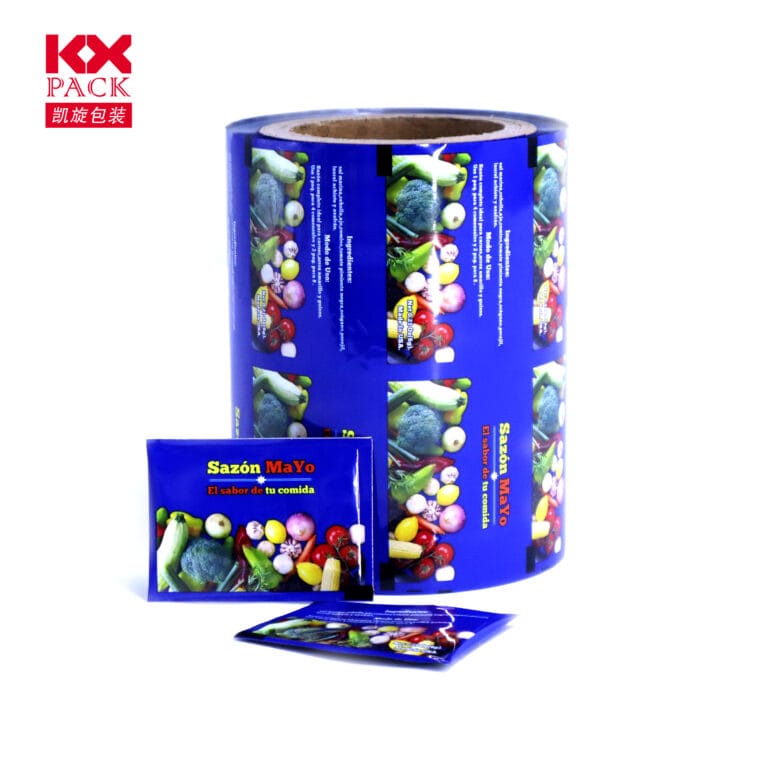
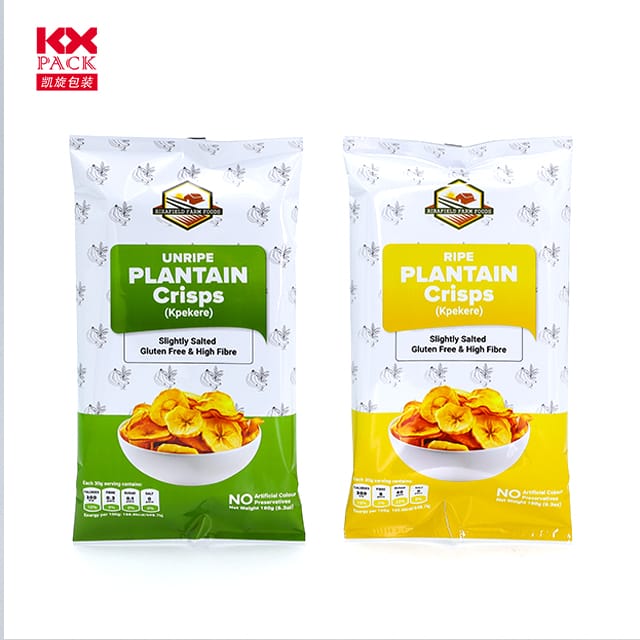
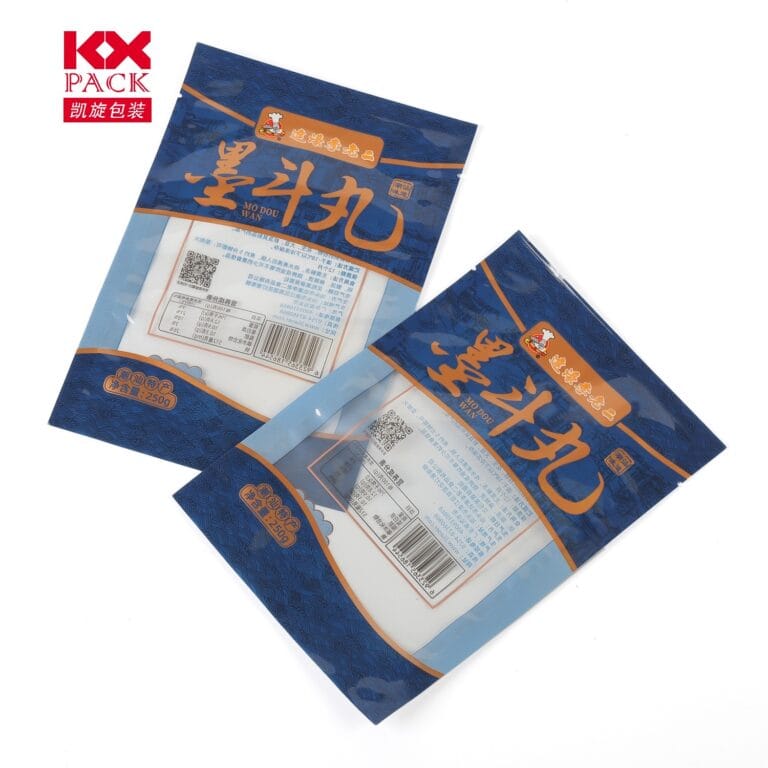
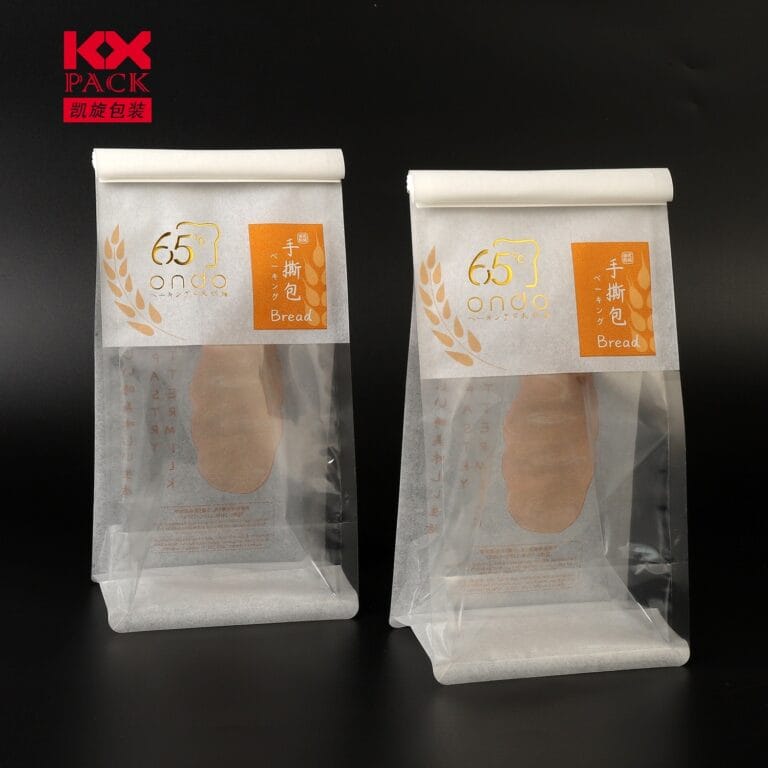
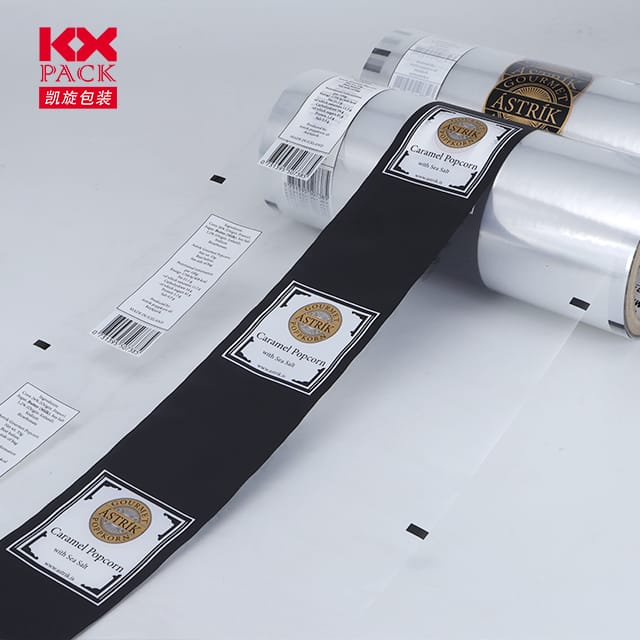
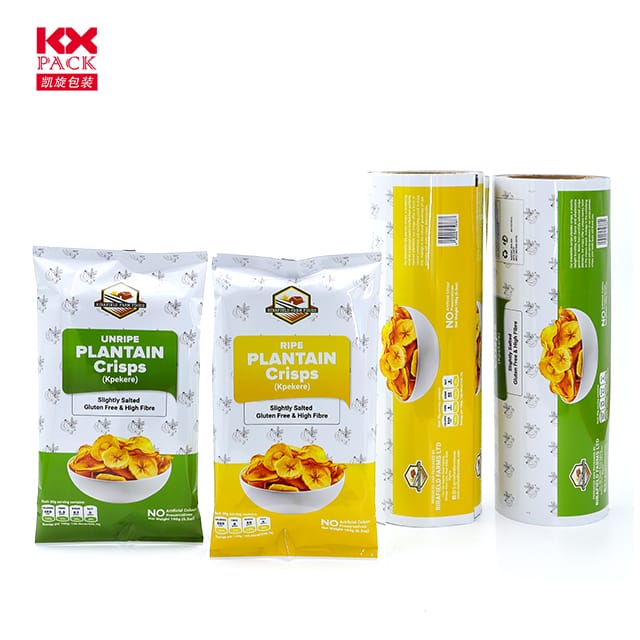
Για πατατάκια, καρύδια, και άλλα σνακ, Τσιπ συσκευασμένη ταινία είναι ένα πολυστρωματικό φράγμα σχεδιασμένο να διατηρεί τη γεύση, υφή, και διάρκεια ζωής. Αυτή η ταινία πρέπει να εξισορροπεί την ευελιξία, δύναμη, και ιδιότητες φραγμού έναντι του οξυγόνου, υγρασία, και φως.
Βασικά Χαρακτηριστικά:
- Laminates High-Barier: Οι σύγχρονες ταινίες σνακ συνδυάζουν υλικά όπως ΚΑΤΟΙΚΙΔΙΟ ΖΩΟ (πολυεστέρας), αλουμινόχαρτο, και Π.Ε (πολυαιθυλένιο) για τη δημιουργία αδιαπέραστων στρωμάτων. Για παράδειγμα, μπορεί να χρησιμοποιηθεί μια τυπική τσάντα τσιπ:
- Εξωτερικό στρώμα εκτύπωσης (ΚΑΤΟΙΚΙΔΙΟ ΖΩΟ): Για ζωντανό branding.
- Επιμεταλλωμένο ή φύλλο φύλλου: Μπλοκάρει το οξυγόνο και το φως.
- Εσωτερικό στεγανωτικό στρώμα (EP/CPP): Εξασφαλίζει αεροστεγές κλείσιμο.
- Βελτιώσεις ευκολίας: Καρτέλες που ανοίγουν εύκολα, επανασφευκλά φερμουάρ, και οι stand-up θήκες είναι πλέον στάνταρ, βελτίωση της εμπειρίας του χρήστη και μείωση της σπατάλης τροφίμων.
- Αλλαγές βιωσιμότητας: Οι επωνυμίες μεταβαίνουν σε κομποστοποιήσιμες μεμβράνες (Π.χ., PLA, PBS) ή ανακυκλωμένο περιεχόμενο για να προσελκύσει τους οικολογικούς καταναλωτές. Ορισμένες εταιρείες αναφέρουν α 30% μείωση της χρήσης πλαστικών βελτιστοποιώντας το πάχος του φιλμ χωρίς συμβιβασμούς στην απόδοση.
Δυναμική Αγοράς:
Η παγκόσμια αγορά συσκευασίας σνακ ανθεί, με καινοτομίες όπωςαυτοματοποιημένες μηχανές συσκευασίας υψηλής ταχύτητας καιαντιθαμβωτικές μεμβράνες (για να αποφευχθεί η συμπύκνωση στο εσωτερικό των σακουλών) αποδοτικότητα οδήγησης. Οι καταναλωτές αναμένουν πλέον συσκευασίες που δεν είναι μόνο λειτουργικές αλλά και οπτικά ελκυστικές—μια τάση που τροφοδοτείται από τα μέσα κοινωνικής δικτύωσης και την κουλτούρα του unboxing.
Διακλαδικοί Παράλληλοι: Η καινοτομία στον πυρήνα
Παρά την εξυπηρέτηση διαφορετικών αγορών, Τόσο η βιομηχανία ημιαγωγών όσο και η βιομηχανία σνακ μοιράζονται έναν κοινό στόχο: ωθώντας τα όρια της επιστήμης των υλικών για να προσφέρει ανώτερη απόδοση. Για παράδειγμα:
- Μικρογραφία: Οι μεμβράνες ημιαγωγών επιτρέπουν μικρότερες, πιο ισχυρά τσιπ, ενώ οι ταινίες σνακ επιτρέπουν τον έλεγχο της μερίδας, συσκευασία εν κινήσει.
- Θερμική Διαχείριση: Στα ηλεκτρονικά, οι μεμβράνες διαχέουν τη θερμότητα; σε σνακ, εμποδίζουν την υγρασία εμποδίζοντας την υγρασία.
- Προσαρμογή: Και οι δύο τομείς απαιτούν εξατομικευμένες λύσεις—είτε πρόκειται για ταινία για τσιπ 5G υψηλής συχνότητας είτε για σακουλάκι σνακ χωρίς γλουτένη.
The Future of Chip Packaged Film
Κοιτάζοντας μπροστά, μπορούμε να περιμένουμε:
- Έξυπνες ταινίες: Οι ενσωματωμένοι αισθητήρες σε συσκευασία ημιαγωγών θα μπορούσαν να παρακολουθούν την υγεία του τσιπ σε πραγματικό χρόνο, ενώ οι ταινίες σνακ μπορεί να χρησιμοποιούν δείκτες χρονικής θερμοκρασίας για να εξασφαλίσετε φρεσκάδα.
- Υβριδικά Υλικά: Συνδυασμός οργανικών και ανόργανων στρωμάτων για τη δημιουργία μεμβρανών που είναι ταυτόχρονα αγώγιμα και βιοδιασπώμενα.
- Ένταξη Κυκλικής Οικονομίας: Περισσότερες μάρκες θα υιοθετήσουν επαναχρησιμοποιήσιμες ή ανακυκλώσιμες μεμβράνες, ευθυγράμμιση με τους παγκόσμιους στόχους μηδενικών αποβλήτων.
συμπέρασμα
Τσιπ συσκευασμένη ταινία είναι πολύ περισσότερο από ένα προστατευτικό στρώμα - είναι ένας καταλύτης για την καινοτομία. Στα ηλεκτρονικά, επιτρέπει την επόμενη γενιά συσκευών AI και IoT; σε σνακ, επαναπροσδιορίζει την ευκολία και τη βιωσιμότητα. Καθώς οι βιομηχανίες συνεχίζουν να εξελίσσονται, το ίδιο θα κάνουν και οι ταινίες που τους υποστηρίζουν, αποδεικνύοντας ότι ακόμη και τα μικρότερα εξαρτήματα μπορούν να οδηγήσουν σε τεράστιες αλλαγές.
Είτε ψάχνετε για μάρκες είτε κάνετε κύλιση σε ένα smartphone, αφιερώστε λίγο χρόνο για να εκτιμήσετε τον αφανή ήρωα: το φιλμ συσκευασίας που τα κάνει όλα δυνατά. 🌍✨