Emballagefilmproducenter: Banebrydende bæredygtighed og innovation i en $224 Billion Market
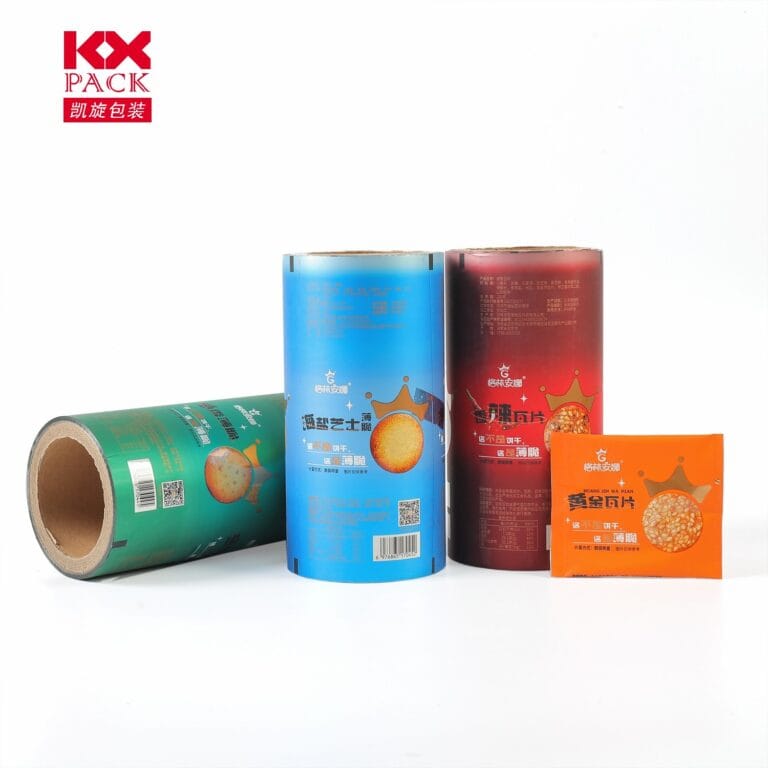
Emballagefilm
The global Emballagefilm industry is undergoing a seismic transformation, drevet af bæredygtighedsmandater, teknologiske gennembrud, og skiftende forbrugerkrav. With the market projected to surge from 156.9Milliard2024til224.6 milliarder af 2030, Producenterne er i gang med at omdefinere deres roller som innovatorer inden for materialevidenskab, cirkulære økonomiløsninger, og smarte emballageteknologier.
1. Bæredygtighed: From Compliance to Competitive Edge
Regulatory pressures and eco-conscious consumers are reshaping the industry. The EU’s Packaging and Packaging Waste Regulation (Pp), which mandates 100% genanvendelig emballage af 2030, has accelerated the adoption of bio-based and recyclable films. For eksempel, Jiangsu Comers Neo Materials now offers 99% recycled-content films og BRC Grade A+ certified biodegradable solutions, mens Ningbo Hongyan Packing Material collaborates with Exxon Mobil and Dow Chemical to develop plant-based polymers.(Emballagefilm)
Innovationer somPLA-based films (Polylaktinsyre, derived from corn starch) vinder trækkraft. These films reduce oxygen permeability by up to 10x compared to traditional PET, extending food shelf life while being compostable. Tilsvarende, marine biopolymer films—extracted from algae or chitin—are emerging as eco-friendly alternatives for high-barrier applications.
2. Technological Leap: Online Coating and High-Barrier Films
Det 2025 Brückner Frontier Technology Summit in Suzhou highlightedonline coating technology as a game-changer. By applying barrier layers during film production (rather than post-lamination), manufacturers cut costs by 30% and reduce carbon footprints by 50%.Willi Lindemann, a Brückner engineer, noted that this method enablessingle-material packaging, simplifying recycling and meeting PPWR targets.
High-barrier films are also evolving.EOE Plus films (with EVOH layers) now achieve410µm tykkelse for superior oxygen and moisture resistance, critical for fresh meat and dairy packaging. I mellemtiden, AGOMETA™ asymmetric PA films combine lightweight design with puncture resistance, reducing material use by 20% without compromising performance.
3. Smart emballage: The Next Frontier
Packaging films are no longer passive barriers—they’re becoming interactive tools.RFID-enabled films track product freshness in real time, menstemperature-sensitive inks change color if perishables exceed safe thresholds.Bosch’s vacuum metallization technology enhances film reflectivity, enabling solar-powered sensors for supply chain monitoring.
In logistics, BUFFER AIR™ air cushion films ogSupreme AEE cushioning systems are replacing plastic bubble wrap, offering 90% better shock absorption with 50% less material. These innovations align with e-commerce giants’ pledges to halve packaging waste by 2030.
4. Markedsdynamik: Asia’s Dominance and Niche Specialization
Asia Pacific leads the market (59% share), driven by China’s food delivery boom and India’s pharmaceutical export surge. Imidlertid, Europe and North America are hotbeds for premium films, såsomanti-counterfeit holographic layers ogmedical-grade sterile packaging.
Specialization is key to survival.Fujian Fulong New Material dominatesBOPP film for cigarette packaging, mensShanghai Zijiang Enterprise fokuserer påhigh-speed printing films for beverage labels. Even niche players likeXiamen Changsu Plastic are thriving by engineeringanti-fog films for supermarket produce displays.
5. Udfordringer: Balancing Cost, Præstation, and Planet
På trods af fremskridt, hurdles remain.Bio-based films cost 2–3x more than petroleum-based alternatives, slowing adoption.Recycling infrastructure gaps persist—only 14% of plastic films are recycled globally. Andmaterial trade-offs plague designers: for eksempel, Komposterbare film often lack the heat resistance needed for microwaveable meals.
Vejen frem: Collaboration and Transparency
Leading manufacturers are embracingblockchain traceability to verify sustainable sourcing.Amcor’s “Design for Recycling” guidelines help brands choose mono-material films, mensUflex’s “Green Revolution” initiative aims to eliminate PFAS chemicals by 2026.
AsLian Zhang, CTO ofKanghui New Material, puts it: “The future isn’t about selling films—it’s about selling solutions that reduce waste, energy, and emissions across the value chain.”
Konklusion
Packaging film manufacturers are at the crossroads of innovation and responsibility. By integrating sustainability into R&D, adopting smart technologies, and collaborating across industries, they’re not just adapting to change—they’re driving it. Både for virksomheder og forbrugere, the message is clear: the films protecting our products today will define the planet’s health tomorrow.
Explore the latest trends at the 2025 Guangzhou International Functional Film Expo (June 3–5) and join the revolution in sustainable packaging. 🌍✨