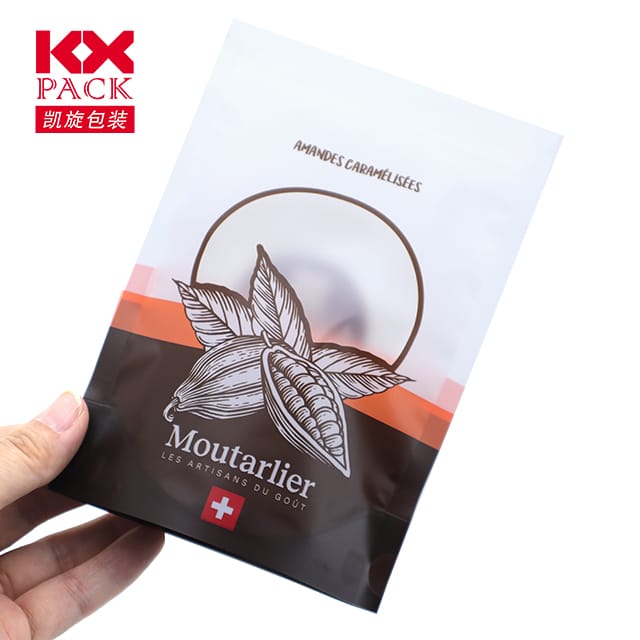
Innovativ bæredygtighed: Udviklingen af fødevareemballagefilm (4)
Mademballagefilm
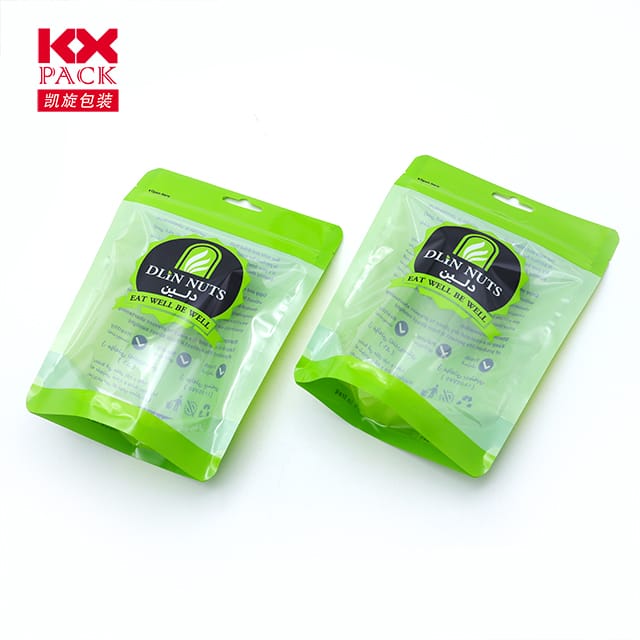
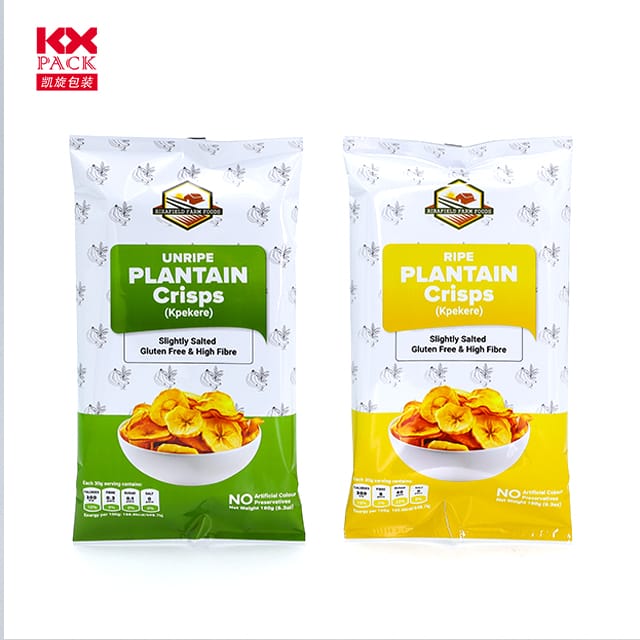
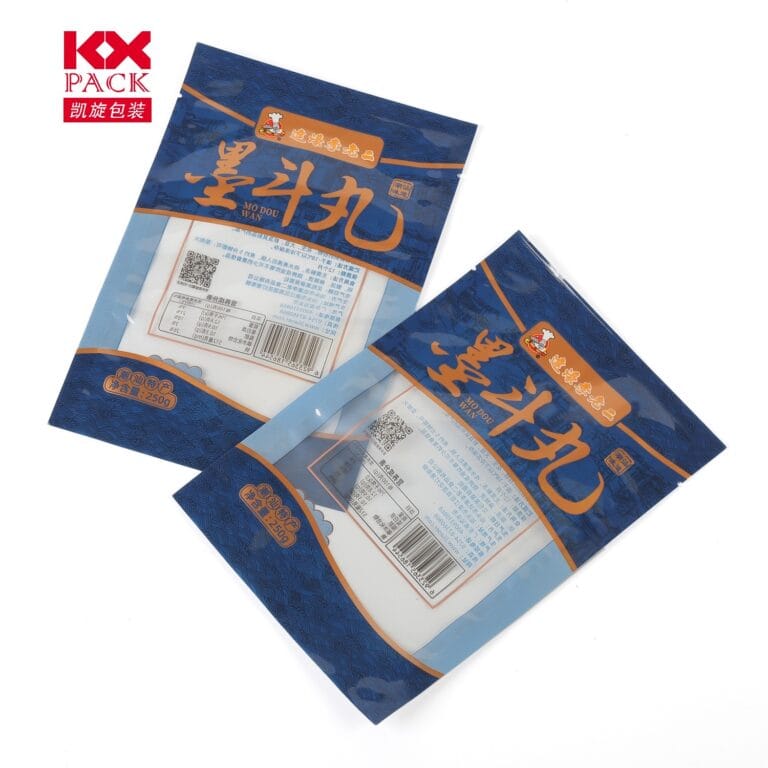
In an era where convenience meets environmental consciousness, film til fødevareemballage have emerged as a critical battleground for balancing food safety, Holdbarhed, og miljøansvar. Disse tynde, Alsidige lag gør mere end blot at beskytte dine snacks – de spiller en afgørende rolle i at reducere spild, Bevarelse af friskhed, og tilpasning til en cirkulær økonomi. Let’s dive into the world of food packaging films and explore how they’re reshaping the future of sustainable consumption.
The Role of Food Packaging Films: Beyond Protection
Food packaging films are engineered to serve multiple purposes:
- Bevarelse: Barrier properties against moisture, ilt, and light extend product shelf life.
- Bekvemmelighed: Easy-to-open seals, Forståelige lynlåse, and portion-controlled packaging cater to modern lifestyles.
- Sikkerhed: Tamper-evident designs and antimicrobial coatings ensure food integrity.
- Branding: Vibrant prints and textures help brands stand out on crowded shelves.
Endnu, traditional films (often made from single-use plastics) have faced scrutiny for their environmental impact. This has spurred a revolution in material science and design.
Bæredygtige innovationer: From Biodegradable to Compostable
The food packaging industry is embracing eco-friendly alternatives:
- Bionedbrydelige film:
Made from renewable resources like corn starch, sukkerrør, or potato starch, these films break down naturally within months. Mærker som BioPak og TIPA are pioneering compostable solutions for snacks, coffee pods, og mere. - Spiselige film:
Imagine a wrapper you can eat! Edible films, often made from seaweed, gelatin, or plant extracts, are gaining traction for small items like candies or herbs. Virksomheder kan lide Notesbog are pushing the boundaries with seaweed-based sachets. - Recycled Content Films:
Genanvendt post-forbruger (PCR) plastics are being repurposed into packaging films, Reduktion af afhængighed af jomfruelige materialer. Initiatives like the Ellen MacArthur Foundation’s New Plastics Economy are driving adoption. - Smarte film:
Technology meets sustainability with films that detect spoilage (via color-changing indicators) or extend freshness (through oxygen-scavenging layers). These innovations reduce food waste—a major contributor to global emissions.
Challenges and Trade-offs
While progress is promising, forhindringer tilbage:
- Koste: Sustainable materials often come at a higher price tag, making adoption slower for small businesses.
- Præstation: Biodegradable films may lack the durability or transparency of traditional plastics, affecting user experience.
- Infrastructure: Compostable films require industrial composting facilities, which are scarce in many regions.
- Consumer Confusion: Mislabeling or unclear disposal instructions can lead to packaging ending up in landfills instead of recycling streams.
Fremtiden: Circular Solutions and Collaboration
The path forward lies insamarbejde across industries:
- Materialevidenskab: Investering i R&D for scalable, affordable alternatives (F.eks., mushroom-based packaging, cellulose nanofibers).
- Policy: Governments are incentivizing sustainable packaging through tax breaks or bans on single-use plastics.
- Forbrugeruddannelse: Mærker som Loop are pioneering reusable packaging systems, encouraging a shift from “throwaway” to “return and reuse.”
- Circular Design: Creating packaging that’s easily recyclable, komposterbar, or biodegradable by design.
Your Role in the Sustainability Journey
As a consumer, you hold power:
- Support brands using eco-friendly packaging.
- Advocate for clearer labeling and recycling infrastructure.
- Reuse or repurpose packaging where possible (F.eks., turning film scraps into craft materials).
Konklusion: Packaging with Purpose
Food packaging films are no longer just about keeping food fresh—they’re a symbol of our commitment to a healthier planet. Ved at omfavne innovation, fostering collaboration, and demanding accountability, we can transform these thin layers into a force for positive change.
The next time you unwrap a snack, ask yourself: Could this packaging be part of a sustainable future? 🌱🍃
What’s your favorite sustainable packaging innovation? Share in the comments! 👇