Hvorfor fladbundte kaffeposer er guldstandarden for specialkaffeemballage
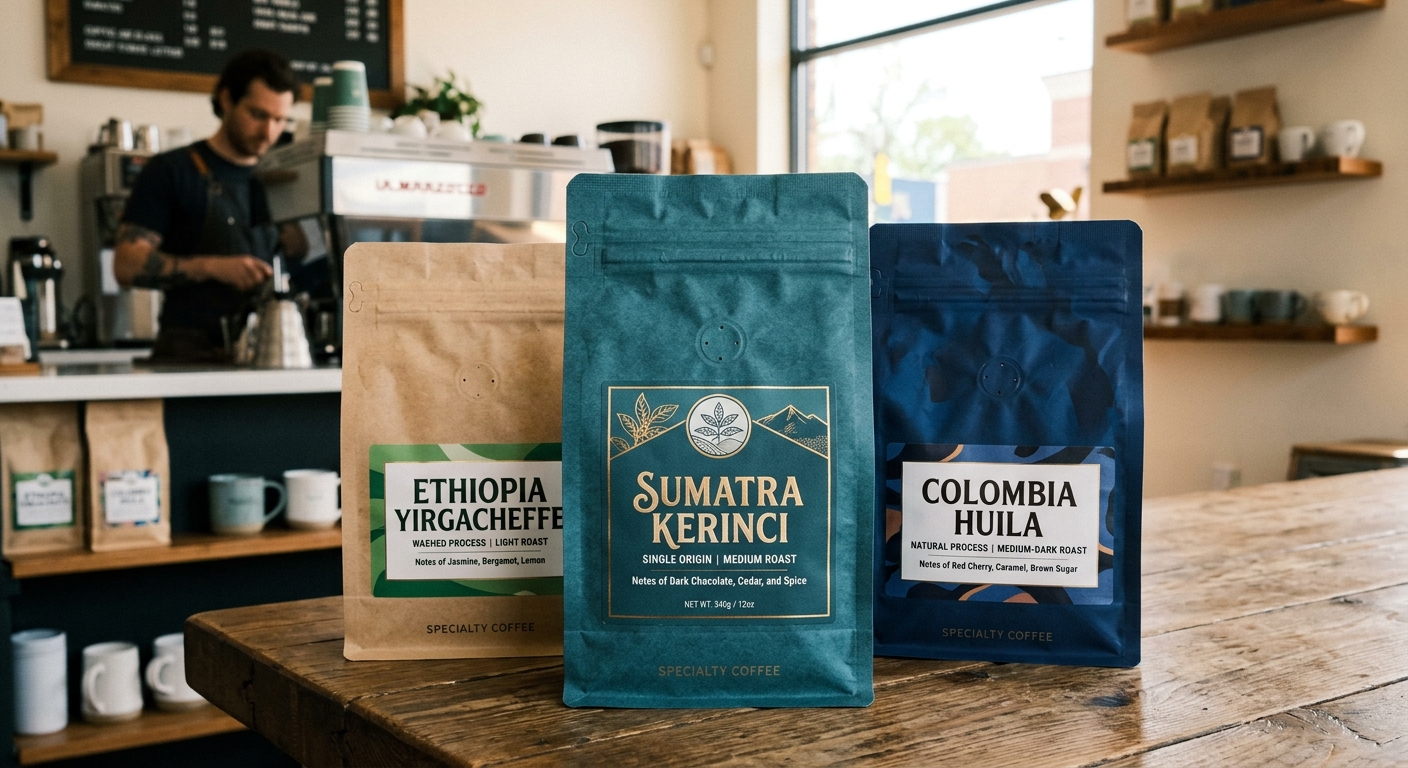
Kaffeposer med flad bund er hurtigt blevet benchmark for high-end specialkaffeemballage, giver brændere den perfekte balance mellem hyldestabilitet, premium brand præsentation, og langvarig bønnefriskhed. Hvis du går ind i en boutique-kaffebar eller specialkøbmand i dag, du vil straks bemærke skiftet: traditionelle pudeposer og quad-seal-poser viger støt for slanke, kasseformede fladbundslommer.
Hvorfor dominerer dette specifikke posedesign det specielle kaffelandskab? I dette dybe dyk, vi udforsker den funktionelle teknik, fordele ved forbrugeroplevelsen, og visuel effekt, der gør poser med flad bund til den ubestridte guldstandard for moderne kafferistere.
1. Maksimal hyldestabilitet og detailtilstedeværelse
Når det kommer til butikslokaler, synlighed er alt. Traditionelle kaffeposer, såsom midterforsegling eller sidekilposer, tendens til at læne sig, vippe, eller vælte, når de vises på detailhylderne - især når kunderne håndterer dem, eller når posen tømmes.
Box Pouch Advantage
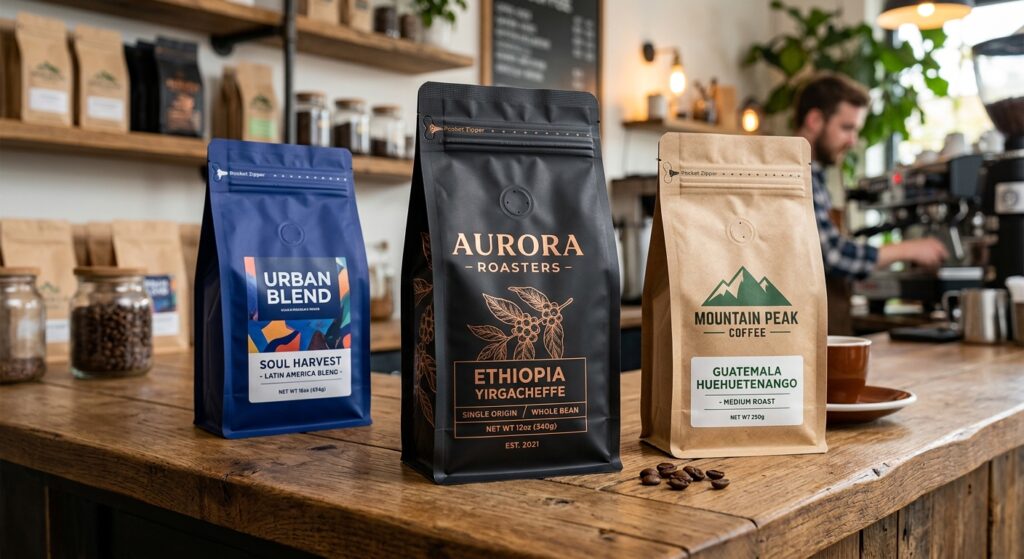
Fladbunde kaffeposer - ofte omtalt som æske poser eller blok bundposer-er konstrueret med en helt flad, stiv base. Dette strukturelle design giver flere vigtige fordele på hylden:
- Selvstående balance: Selv med let ristede højhøjdebønner, der bærer varierende bulkdensiteter, posen står helt oprejst uden at falde sammen.
- 360-Grad Branding Canvas: Med fem forskellige printbare paneler (front, tilbage, venstre kile, højre kile, og bund), stegere har markant mere plads til at fortælle deres historie, vise oprindelsesnotater, og vise certificeringer som Fair Trade eller Økologisk frem.
- Rumeffektivitet: Den kasseformede geometri pakkes tæt ind i forsendelseskartoner og detaildisplays, minimerer spildplads under transport og maksimerer produkttætheden på detailhylderne.
2. Avanceret friskhedsbeskyttelse til specialbønner
Specialkaffebønner er sarte. Når den er stegt, de begynder at frigive kuldioxid ($CO_2$) hurtigt - en proces kendt som afgasning - mens den forbliver ekstremt sårbar over for ilt, fugtighed, UV lys, og varme.
Fladbundet specialkaffeemballage indeholder flerlags barrierefilm kombineret med funktionelle afgasningsventiler for at bevare aromatiske flygtige forbindelser.
Nøglebarrierefunktioner
- Envejs afgasningsventiler: Tillader indesluttet $CO_2$ gas at undslippe uden at tillade ekstern ilt tilbage i posen. Dette forhindrer posen i at briste, samtidig med at oxidationen holdes i skak.
- Laminater med høj bjælker: Kvalitetsposer med flad bund bruger aluminiumsfolie, metalliseret PET (VMPET), eller genanvendelige monomaterialer med høj barriere (som EVOH-ONLY) som holder iltoverførselshastigheden (OTR) nær nul.
- Genlukkelige lynlåslukninger: I modsætning til traditionelle tin-slips, der slider eller river papiret i stykker, moderne fladbundslommer med lommelynlåse, tryk for at lukke lynlåse, eller velcrolukninger, der sikrer en lufttæt forsegling efter hver brug.
3. Sammenligning af specialkaffeemballageformater
For at forstå, hvorfor tasker med flad bund har en førsteklasses position, lad os sammenligne dem direkte med andre populære emballageformater, der bruges i kaffeindustrien:
| Emballagetype | Strukturel stabilitet | Printbare overflader | Forbrugerens bekvemmelighed | relative omkostninger |
| Tasker med flad bund | Enestående (Selvstående) | 5 Paneler | Høj (Lommelynlås/Easy-tear) | Præmie |
| Stående poser (SUP) | Moderat (D-formet base) | 2 Paneler | Medium (Standard lynlås) | Økonomisk |
| Quad-Seal tasker | Retfærdig (Foldes under pres) | 4 Paneler | Moderat (Blikbinder eller trykforsegling) | Mellemklasse |
| Side kiletasker | Dårlig (Kræver support) | 2– 4 paneler | Lav (Tin-tie afhængig) | Budgetvenlig |
4. Forbrugeroplevelsen: Taktilt og funktionelt design
Til specialkaffedrikkere, brygningsritualet starter længe før vandet rører grunden. Åbning af posen er en taktil oplevelse, der sætter forventninger til smagskvalitet.
Funktionelle bekvemmelighedsfunktioner
- Lomme lynlåse: Placeret under rivehakket, lommelynlåse giver forbrugerne mulighed for at åbne posen rent uden at rive forseglingsmekanismen af eller behøver en saks.
- Bred mundåbning: Den firkantede top og brede åbning gør kugler eller hælde bønner i en kværn rent og ubesværet, eliminerer frustrationen ved poser med smal hals.
- Taktil finish: Rister kan kombinere soft-touch mat finish, plet UV-glans, eller taktile kraftpapirteksturer for at formidle håndværksmæssig kvalitet.
5. Bæredygtig innovation i fladbundsemballage
En almindelig kritik af premium barriereemballage var dens historiske afhængighed af ikke-genanvendelig flerlagsplast. Imidlertid, emballageindustrien har gjort store fremskridt inden for miljøvenlig materialevidenskab.
Nutidens specialkafferistere kan bestille fladbundede kaffeposer fremstillet af:
- 100% Genanvendelig Mono-PE: Enkeltmaterialestrukturer, der kan placeres i blød plastgenbrugsstrømme uden at ofre barrierebeskyttelse.
- Komposterbare laminater: Fremstillet af Kraft papir kombineret med PLA (polymælkesyre) foring og komposterbare ventiler, der nedbrydes i industrielle komposteringsanlæg.
- Genanvendt post-forbruger (PCR) Plast: Inkorporering af genbrugsharpiksindhold i de ydre lag for at reducere ny plastikproduktion.
6. Sådan vælger du de rigtige specifikationer til din stege
Ved indkøb af fladbundsposer fra en OEM eller specialiseret emballageproducent, vær opmærksom på disse tekniske specifikationer:
- Kapacitetsstørrelse: Sørg for, at dine taskedimensioner tager højde for densitetsforskelle. En let ristet etiopisk bønne fylder mindre end en mørk ristet fransk blanding ved den samme vægt på 250 g eller 1 kg.
- Ventilplacering: Placer afgasningsventilen omkring 2 til 3 tommer under den øverste lynlås for at forhindre, at den forstyrrer varmeforseglingen under produktionen.
- Varmeforseglingsintegritet: Arbejd sammen med din co-packer eller dit stegeteam for at verificere denne forseglingstemperatur, opholdstid, og trykindstillinger matcher din specifikke laminatstruktur.
Sidste tanker
Din kaffeemballage er ofte det første kontaktpunkt en kunde har med dit brand. Mens traditionelle poser kan bære kaffe fra punkt A til punkt B, fladbundede kaffeposer gør dit produkt til et førsteklasses udstillingsstykke. Ved at kombinere strukturel stabilitet, overlegen barriereforsvar, 360-grad branding paneler, og forbrugervenlige åbningsmekanismer, dette format forbliver det ultimative valg for brændere, der seriøst tager det specialkaffeemballage.