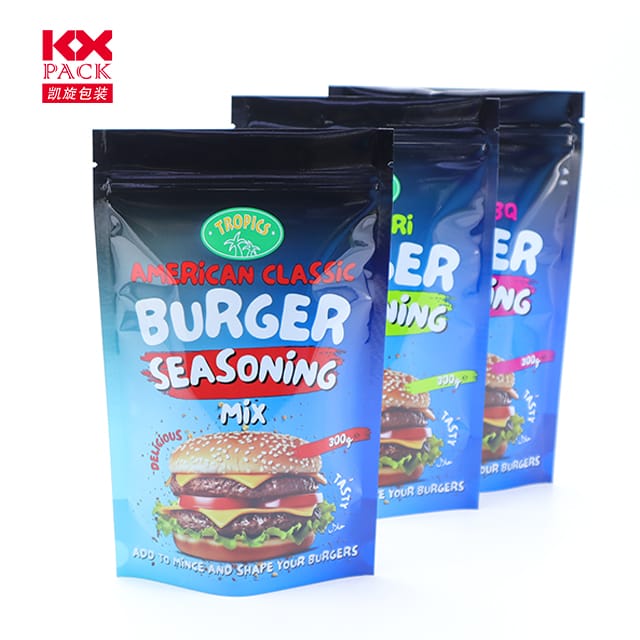
Role a budoucnost plastového balení filmu: Vyvážení užitečnosti a udržitelnosti (2)
Plastový balení
Zavedení
Ve světě, kde je prvořadé pohodlí a ochrana, plastové obalové fólie se stal všudypřítomnou přítomností. Od čerstvých produktů po elektroniku, Tento všestranný materiál chrání zboží, prodlužuje životnost, a zefektivňuje dodavatelské řetězce. Ještě, Jeho dopad na životní prostředí vyvolaly globální debaty. Tento článek zkoumá mnohostrannou roli plastového obalového filmu, jeho aplikace, výzvy, a cesta k udržitelnosti.
1. Všestrannost plastových balicích fólií
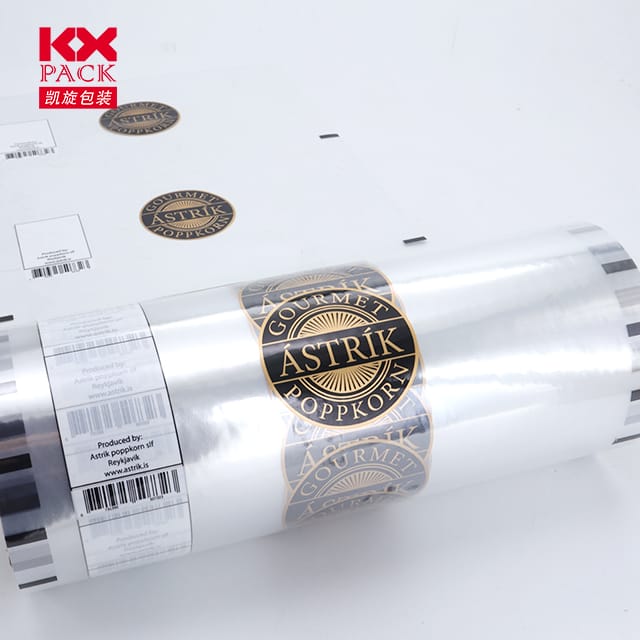
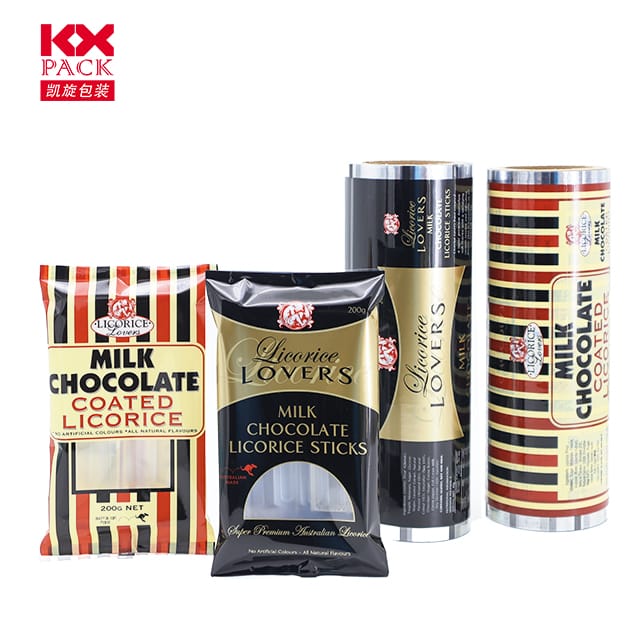
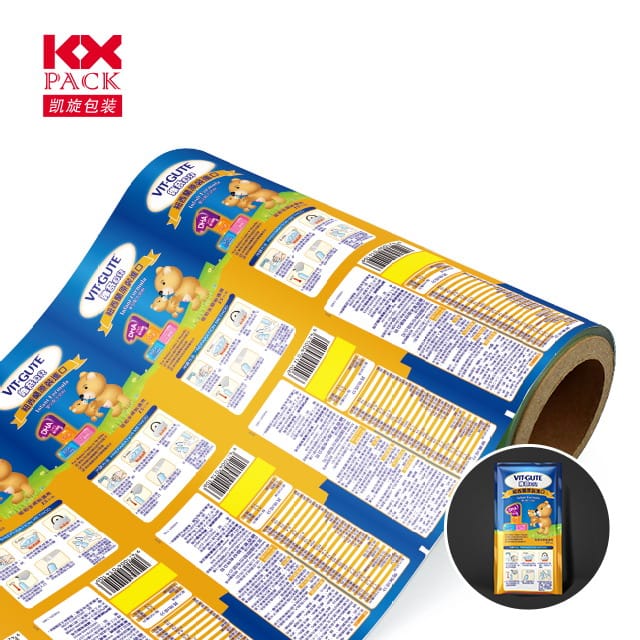
Plastové fólie jsou navrženy pro různé účely, Díky jejich přizpůsobivosti:
- Typy filmů:
- PE (Polyethylen): Flexibilní, lehký, a ideální pro balení potravin.
- PP (Polypropylen): Tepelně odolný, používá se pro nádoby vhodné do mikrovlnné trouby.
- PVC (Polyvinylchlorid): Odolné a schopné smršťovací fólie.
- PET (Polyester): Silné a průhledné, často se používá pro nápoje a elektroniku.
- Biologicky rozložitelné filmy: Vyrobeno z PLA, PHA, nebo materiály na bázi škrobu.
- Aplikace:
- Konzervace potravin: Uzavře svěžest, zabraňuje kontaminaci.
- Zdravotnické potřeby: Sterilní obal na chirurgické nástroje.
- Elektronický obchod: Ochranné obaly na křehké předměty během přepravy.
- Zemědělství: Mulčovací fólie pro podporu růstu plodin.
2. Dvousečný meč: Výhody vs. Obavy o životní prostředí
Pros:
- Nákladově efektivní: Cenově dostupná výroba a lehká doprava.
- Bariérová ochrana: Blokuje vlhkost, kyslík, a UV světlem.
- Všestrannost: Přizpůsobitelné různým tvarům, velikosti, a produkty.
Nevýhody:
- Znečištění: Přispívá na skládky a plastový odpad z oceánů.
- Nebiologická rozložitelnost: Tradiční plasty se rozkládají staletí.
- Mikroplasty: Rozložte se na malé částice, vstupujících do ekosystémů a potravních řetězců.
3. Inovace v udržitelném balení
Průmysl reaguje na tlaky životního prostředí pomocí špičkových řešení:
- Biologicky odbouratelné alternativy:
- CHKO (Kyselina polylaktická): Získává se z kukuřičného škrobu nebo cukrové třtiny.
- PHA (Polyhydroxyalkanoáty): Přirozeně produkován mikroby.
- Filmy na bázi mořských řas: Jedlé a kompostovatelné.
- Modely oběhové ekonomiky:
- Chemická recyklace: Rozkládání plastů na suroviny.
- Recyklační technologie: Pokročilé systémy třídění pro zlepšení míry využití.
- Designové inovace:
- Monomateriálové filmy: Snadnější recyklace (NAPŘ., 100% PE).
- Minimalistické balení: Snížení spotřeby materiálu bez ohrožení ochrany.
4. Role stakeholderů
Přechod na udržitelné postupy vyžaduje spolupráci:
- Značky: Investujte do ekologických materiálů a transparentního značení.
- Spotřebitelé: Vyberte si opakovaně použitelné možnosti a podpořte značky upřednostňující udržitelnost.
- Vlády: Prosazovat rozšířenou odpovědnost výrobce (Epr) zákony a zákaz jednorázových plastů.
- Inovátoři: Vyvíjet škálovatelný, nákladově efektivní alternativy ke konvenčním plastům.
5. Pohled dopředu: Budoucnost bez odpadu
Cesta k udržitelným plastovým obalům probíhá, ale výzvy zůstávají. Mezi klíčové priority patří:
- Rozvoj infrastruktury: Globální rozšíření recyklačních zařízení.
- Školství: Zvyšování povědomí o správné likvidaci a snižování.
- Politická advokacie: Pobídky k zeleným technologiím a penalizaci znečištění.
Závěr
Plastové obalové fólie jsou základním kamenem moderní logistiky, ale jeho dopad na životní prostředí vyžaduje naléhavá opatření. Přijetím biologicky rozložitelných materiálů, kruhové systémy, a kolaborativní inovace, můžeme chránit jak produkty, tak planetu. Budoucnost obalů nespočívá v jejich vymýcení, ale v odpovědném vývoji – kde užitek a udržitelnost koexistují.
💡Závěrečná myšlenka: Na každé volbě záleží. Při příštím rozbalení produktu, zvažte příběh za jeho obalem. Usilujme o svět, kde je plastová fólie nástrojem dobra, není pro Zemi zátěží.