Evoluce a dopad flexibilních filmů v potravinářském balení
Flexibilní filmy
V dynamickém světě balení potravin, flexibilní fólie se ukázaly jako změna hry, revoluci ve způsobu konzervace produktů, prezentovány, a přepravovány. Kombinace inovací s udržitelností, tyto lehké, adaptabilní materiály přetvářejí průmysl a zároveň reagují na rostoucí požadavky spotřebitelů na pohodlí a ekologická řešení.
Co jsou flexibilní fólie?
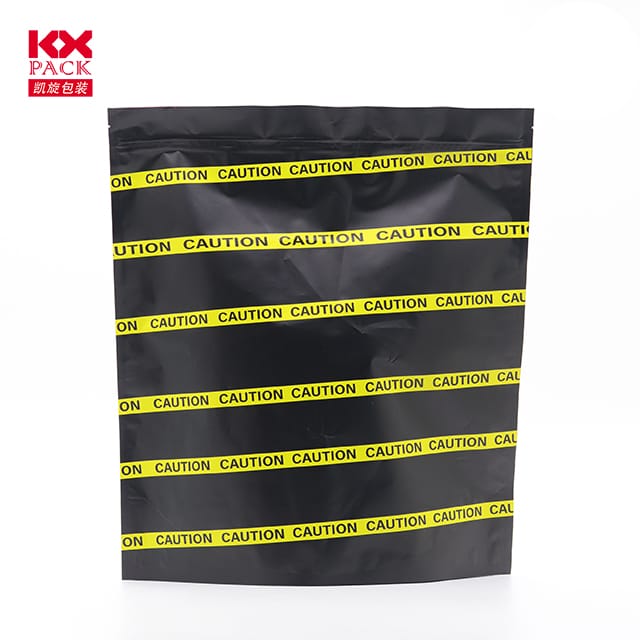
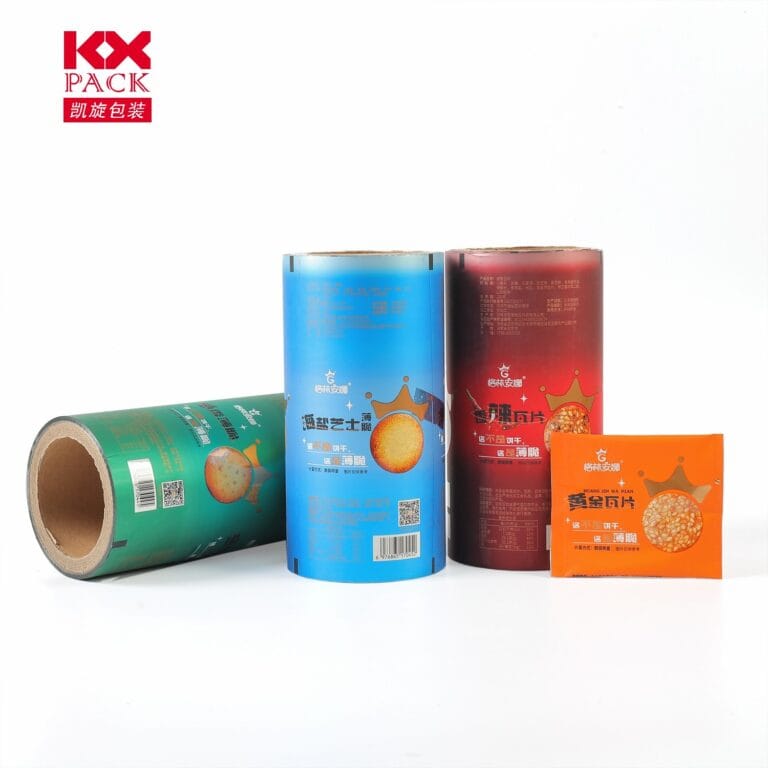
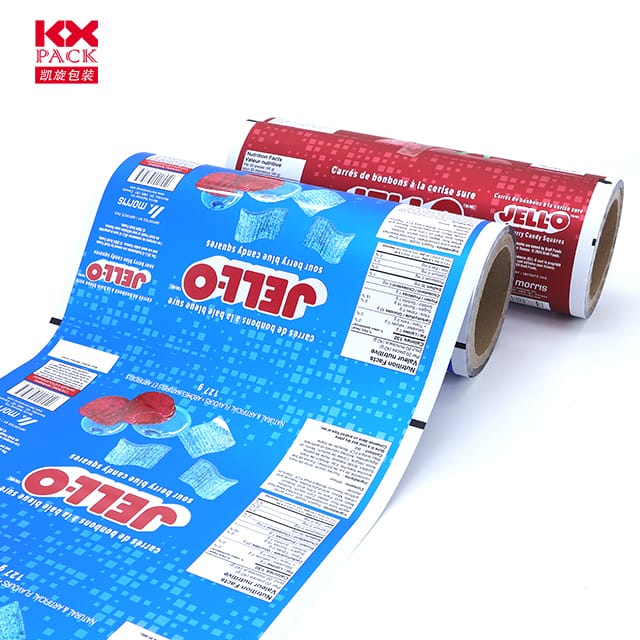
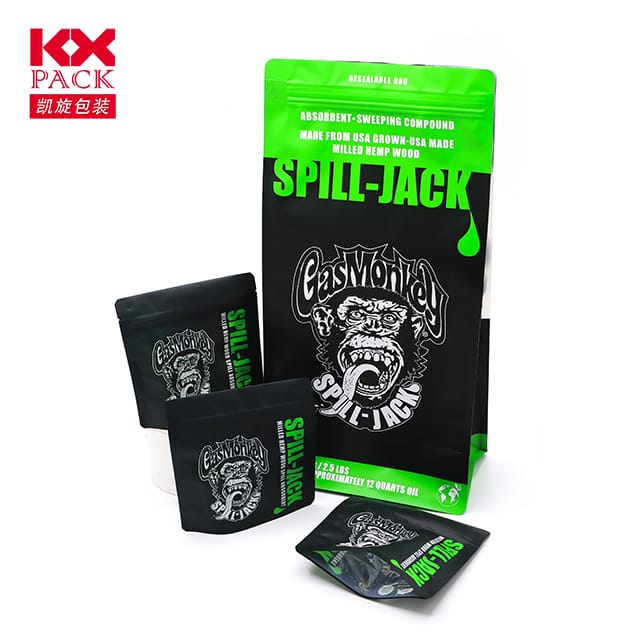
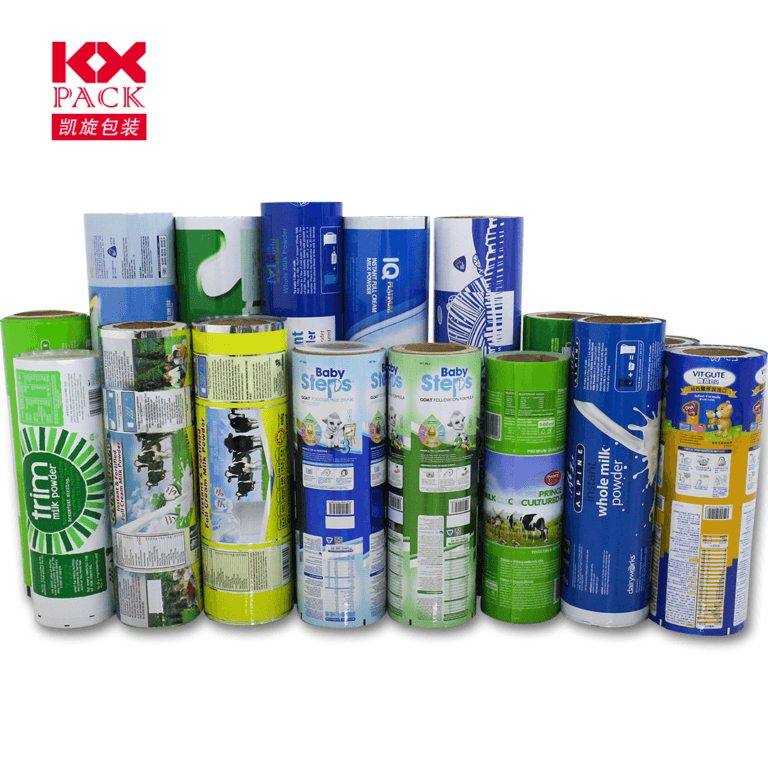
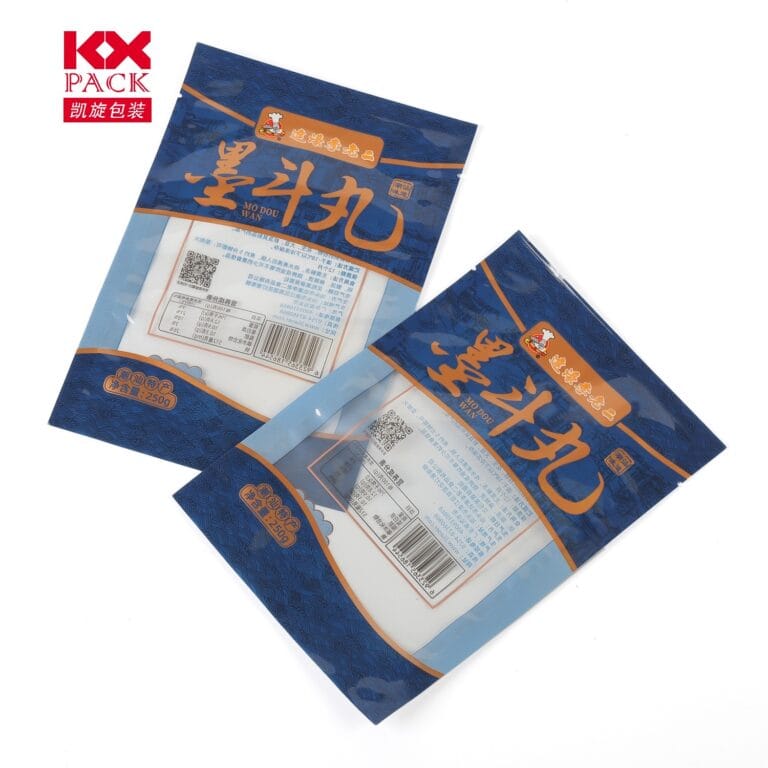
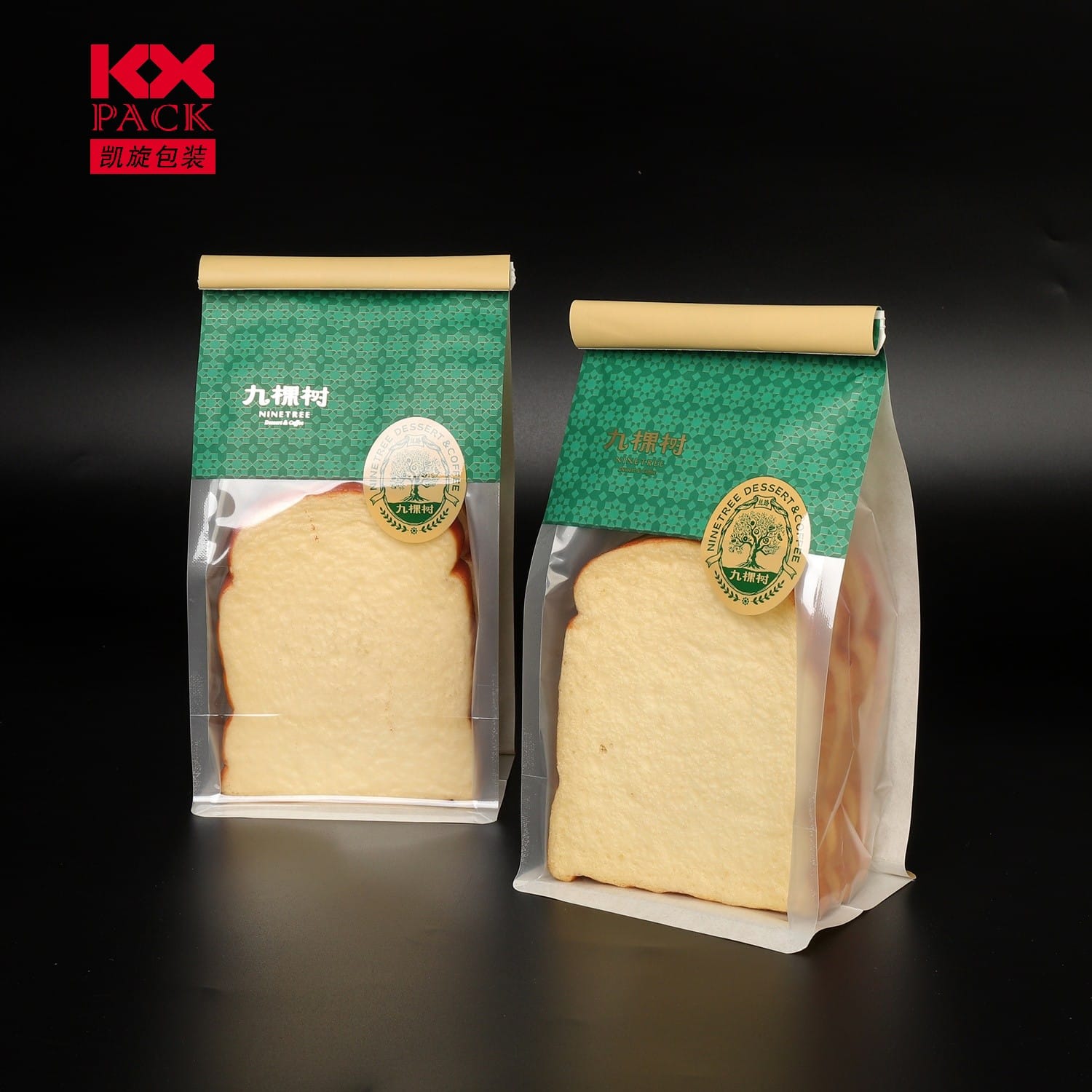
Flexibilní fólie jsou tenké, pliable sheets made from polymers like polyethylene (PE), Polypropylen (PP), polyester (PET), or biodegradable alternatives such as polylactic acid (CHKO). Designed to conform to product shapes, they offer versatility unmatched by rigid packaging. Common applications include pouches, zábaly, lids, and bags for snacks, čerstvé produkty, mlékárna, a hotová jídla.
Key Advantages of Flexible Films
- Vylepšená ochrana produktu
Flexible films create airtight barriers against moisture, kyslík, a světlo, extending shelf life and reducing food waste. Advanced multilayer structures can incorporate oxygen scavengers or UV filters for superior preservation. - Sustainability Benefits
Compared to traditional materials, flexible films require fewer resources to produce and transport, snižování uhlíkové stopy. Many are now recyclable or compostable, aligning with global circular economy goals. Například, Dow’s RecycleReady technology enables recyclable pouches, while companies like TIPA® offer certified compostable films. - Cost-Efficiency and Convenience
Lehký a prostorově úsporný, flexible films reduce storage and shipping costs. Their resealable designs—like zippers or spouts—enhance user experience, catering to on-the-go lifestyles. - Branding and Shelf Appeal
High-definition printing capabilities allow vibrant, customizable designs, helping brands stand out in competitive retail environments.
Výzvy a inovace
Navzdory jejich výhodám, flexibilní fólie čelí překážkám:
- Recyklační infrastruktura: Single-material films are easier to recycle, but multilayer variants (common in high-barrier packaging) remain problematic.
- Material Complexity: Balancing performance with eco-friendliness requires ongoing R&D.
Inovace vedou ke změnám:
- Biologicky odbouratelné polymery: Materials derived from corn starch or sugarcane are gaining traction.
- Chemická recyklace: Breakthroughs like enzymatic degradation promise to recycle mixed-material films.
- Chytré balení: Integration of sensors to monitor freshness or RFID tags for supply chain transparency.
The Future of Flexible Films
The market for flexible food packaging is projected to grow at aCAGR z 5.2% přes 2030 (Výzkum Grand View), poháněný:
- Rising e-commerce: Poptávka po trvanlivém, lightweight shipping materials.
- Spotřebitelé, kteří si uvědomují zdraví: Preferences for hygienic, single-serve portions.
- Regulační tlaky: Stricter bans on single-use plastics are accelerating adoption of sustainable alternatives.
Závěr
Flexible films represent a bridge between functionality and environmental responsibility. Jak technologie postupuje, their role in reducing waste, zvýšení bezpečnosti potravin, and delighting consumers will only expand. Brands that embrace these materials today are not just staying ahead—they’re contributing to a healthier planet.
Volání k akci:
Are you ready to explore flexible packaging solutions for your brand? Share your thoughts or questions in the comments below—let’s discuss how innovation can meet sustainability in the food industry!
Word count: ~550
Klíčová slova: flexibilní fólie, balení potravin, udržitelnost, inovace, recyklace