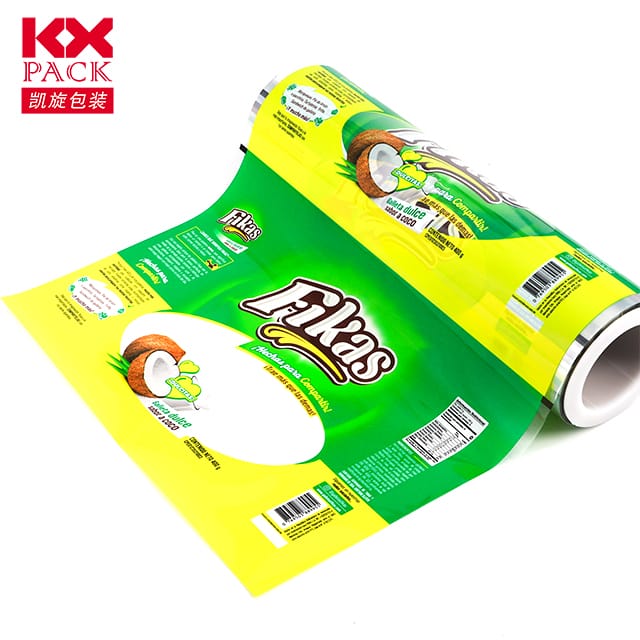
L'evolució i el futur de la pel·lícula d'envasos de plàstic: Equilibri entre innovació i sostenibilitat
Pel·lícula d’envasament de plàstic
Plastic packaging film is ubiquitous in modern life, wrapping everything from fresh produce to electronics, protecting goods during transit, i ampliant la vida útil. Encara, its convenience has come under scrutiny due to environmental concerns. As industries and consumers increasingly prioritize sustainability, the future of plastic packaging film hinges on innovation, responsible design, and a shift toward circular economies. Let’s explore the current landscape, reptes, and emerging solutions in the world of plastic packaging film.
1. The Role of Plastic Packaging Film in Modern Industry
Plastic packaging film serves critical functions across industries:
- Preservació: Propietats de barrera (P., oxigen, humitat, or UV resistance) mantenir els aliments frescos, reduir els residus, and ensure product safety.
- Eficiència de cost: Lightweight and flexible, plastic films lower shipping costs and material usage compared to alternatives like glass or metal.
- Versatilitat: From shrink wraps and cling films to laminated pouches and stretch films, the variety caters to diverse applications.
malgrat això, traditional plastic films, often made from non-renewable fossil fuels like polyethylene (PE) or polypropylene (PP), contribute to pollution when discarded improperly. Plàstics d'un sol ús, en particular, have become a symbol of environmental neglect, prompting urgent calls for change.
2. Environmental Challenges: The Wake-Up Call
The drawbacks of conventional plastic packaging film are well-documented:
- Pollution: Mismanaged plastic waste ends up in oceans, rius, i abocadors, where it persists for centuries.
- Microplastics: Fragmentation of plastic films leads to microplastic pollution, posing risks to ecosystems and human health.
- Resource Intensity: Production relies heavily on finite fossil fuels, exacerbating carbon emissions and climate change.
These issues have spurred regulatory actions, such as bans on single-use plastics in many countries, and a growing consumer demand for eco-friendly alternatives.
3. Innovations Driving Sustainable Solutions
The packaging industry is responding with transformative technologies and materials:
- Pel·lícules biodegradables i compostables: Made from renewable resources like corn starch (PLA), algues, or cassava, these films break down naturally in industrial composting facilities. malgrat això, challenges remain, such as ensuring proper disposal infrastructure and avoiding contamination with non-compostable waste.
- Recycled Content: Using post-consumer recycled (PCR) plastics reduces reliance on virgin materials. Advances in recycling technologies, like chemical recycling, are improving the quality and recyclability of mixed plastics.
- Polímers basats en bio: Films derived from agricultural waste or biomass (P., sugarcane-based polyethylene) offer a lower carbon footprint while maintaining performance.
- Edible and Water-Soluble Films: Innovations like seaweed-based edible wrappers or PVA (polyvinyl alcohol) films that dissolve in water eliminate waste entirely for certain applications.
4. Embalatge intel·ligent: Adding Value Beyond Protection
Modern plastic films are also becoming “smarter” to enhance functionality and reduce waste:
- Embalatge actiu: Pel·lícules incrustades amb antioxidants, agents antimicrobians, or oxygen scavengers extend product freshness, reducing food spoilage.
- Intelligent Labels: Codis QR, RFID tags, or temperature-sensitive inks provide traceability, anti-counterfeiting measures, or real-time shelf-life monitoring.
- Lleugerament: Més prim, high-performance films reduce material use without compromising strength, lowering both costs and environmental impact.
5. El camí que hi ha a davant: Collaboration and Circularity
For plastic packaging film to truly evolve, stakeholders must collaborate:
- Industry Partnerships: Brands, manufacturers, and recyclers must work together to design films that are easier to recycle or compost.
- Policy Support: Governments can incentivize R&D in sustainable materials and mandate recycled content in packaging.
- Educació del Consumidor: Encouraging proper disposal and recycling habits is critical to closing the loop.
- Circular Economy Models: Adopting “design for recycling” principles and expanding reuse systems (P., refillable packaging) can minimize waste.
Conclusió
Plastic packaging film isn’t going away anytime soon—its benefits are too significant to ignore. malgrat això, the industry must evolve to prioritize sustainability without sacrificing functionality. Abraçant materials biodegradables, innovacions en el reciclatge, i disseny intel·ligent, we can create packaging that protects both products and the planet.
The future of plastic packaging film lies in balance: innovation that meets consumer needs while respecting ecological limits. Com a consumidors, businesses, and policymakers, we all have a role to play in shaping this future.
What’s your take on plastic packaging? Share your thoughts or sustainable packaging hacks in the comments! 🌍📦