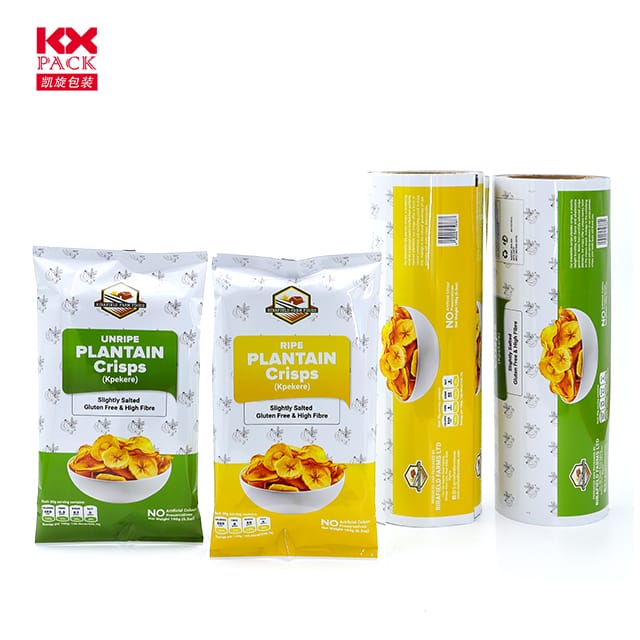
Pel·lícula de plàstic per al menjar: Una guia completa de seguretat, Sostenibilitat, i bones pràctiques
Pel·lícula de plàstic
Plastic film for food—commonly known as cling wrap, embolcall de menjar, o embolcall de plàstic: és un element bàsic a les cuines de tot el món. La seva capacitat de conservar la frescor, prevenir la contaminació, i allargar la vida útil dels productes peribles fa que sigui indispensable per a les llars, restaurants, i fabricants d'aliments. malgrat això, growing concerns about environmental impact and chemical safety have sparked debates about its usage. In this blog, we’ll explore thetipus, avantatges, risks, and eco-friendly alternatives of plastic film for food, empowering you to make informed choices.
What Is Plastic Film for Food?
Plastic film for food is a thin, flexible material made primarily frompolietilè (PE), though variations likeclorur de polivinil (PVC) oclorur de polivinilidè (PVDC) may also be used. It’s designed to create an airtight seal around food items, protecting them from moisture, oxigen, i olors. Common applications include:
- Wrapping leftovers
- Covering bowls or plates
- Packaging deli meats or cheeses
- Protecting produce during storage
Types of Plastic Film for Food
- Polietilè (PE) Film
- The most widely used and safest option for food contact.
- Comes in two varieties:
- Low-density polyethylene (LDPE): Soft and clingy, ideal for wrapping irregular shapes.
- High-density polyethylene (HDPE): Stiffer and more durable, often used for freezer bags.
- PVC Film
- Contains plasticizers like phthalates, which can leach into food, especially fatty or acidic items.
- Less common today due to health and environmental concerns.
- Biodegradable/Compostable Films
- Made from plant-based materials (P., maizena, cel·lulosa) or biopolymers.
- Designed to break down faster than traditional plastics, though proper disposal is key.
Benefits of Using Plastic Film for Food
- Food Preservation: Reduces waste by keeping food fresh longer.
- Higiene: Prevents cross-contamination between foods.
- Conveniència: Fàcil d'usar, store, and transport.
- Rentable: Affordable compared to reusable containers for short-term storage.
Risks and Concerns
- Chemical Leaching
- Some films may release harmful substances (P., BPA, phthalates) when heated or in contact with oily foods.
- Solution: Look for labels indicating “microwave-safe” or “BPA-free.”
- Environmental Impact
- Traditional plastic films are non-biodegradable and contribute to microplastic pollution.
- Solution: Opt for recyclable or biodegradable options and recycle properly.
- Single-Use Waste
- Disposable plastic film generates significant landfill waste.
- Solution: Switch to reusable silicone food covers or beeswax wraps.
How to Choose Safe Plastic Film for Food
- Check Labels: Prioritize products labeled “food-grade,” “FDA-approved,” or “phthalate-free.”
- Avoid PVC: Choose PE-based films instead.
- Look for Recycling Symbols: Films marked with recycling codes #2 (HDPE) o #4 (LDPE) are safer and more recyclable.
- Temperature Resistance: Ensure the film is suitable for your intended use (P., freezer, microwave).
Alternatives ecològiques a la pel·lícula de plàstic
- Embolcalls de cera d'abella
- Reutilitzable, compostable, and made from organic cotton coated in beeswax.
- Perfect for wrapping sandwiches, formatge, or produce.
- Cobertures d'aliments de silicona
- Durable, hermètic, i resistent a la calor.
- Reusable for years, Reducció de residus.
- Envasos de vidre o acer inoxidable
- Ideal for storing leftovers or meal prepping.
- Non-toxic and eco-friendly.
- Fabric Covers with Drawstrings
- Great for covering bowls or dough during rising.
- Machine-washable and sustainable.
Best Practices for Using Plastic Film Safely
- Avoid High Heat: Never use plastic film in ovens or toasters; it can melt and release toxins.
- Don’t Reuse Single-Use Films: They degrade quickly, increasing leaching risks.
- Store Properly: Keep plastic film away from direct sunlight or heat to prevent chemical breakdown.
- Recycle Correctly: Clean used film and check local recycling guidelines (many curbside programs don’t accept it, but drop-off centers might).
El futur dels envasos d’aliments
Innovations are addressing the drawbacks of traditional plastic film:
- Films comestibles: Made from seaweed or starch, these can be consumed along with the food.
- Embalatge intel·ligent: Films with sensors to monitor food freshness in real time.
- Advanced Bioplastics: Stronger, more sustainable materials derived from agricultural waste.
Pensaments finals
Plastic film for food remains a practical choice for short-term storage, but its environmental and health risks demand mindful usage. By opting for safer materials, exploring reusable alternatives, and recycling responsibly, we can reduce our ecological footprint while keeping our food fresh.
What’s your go-to method for storing leftovers? Share your tips or favorite eco-friendly swaps in the comments below! 🌱🍴