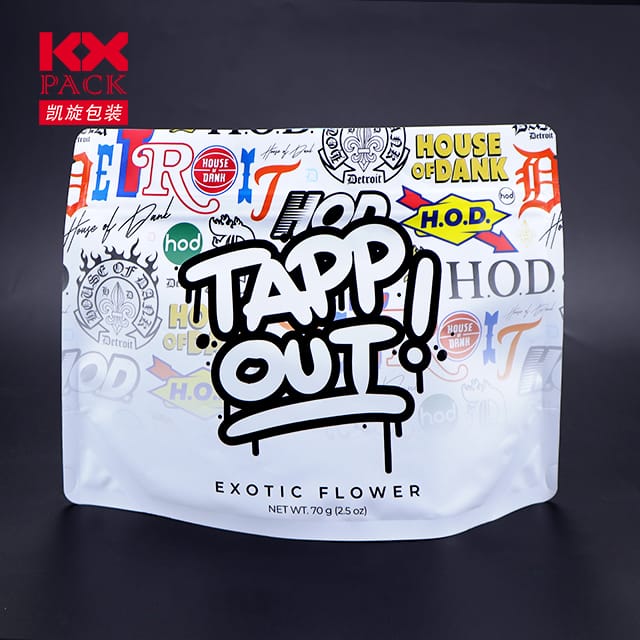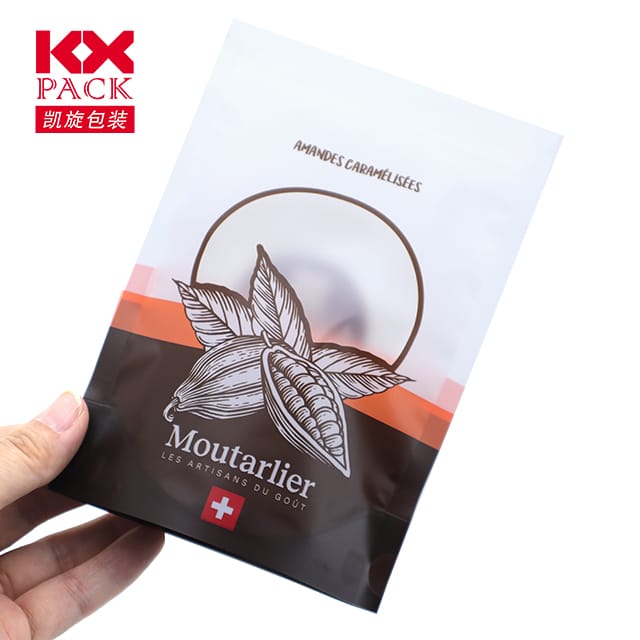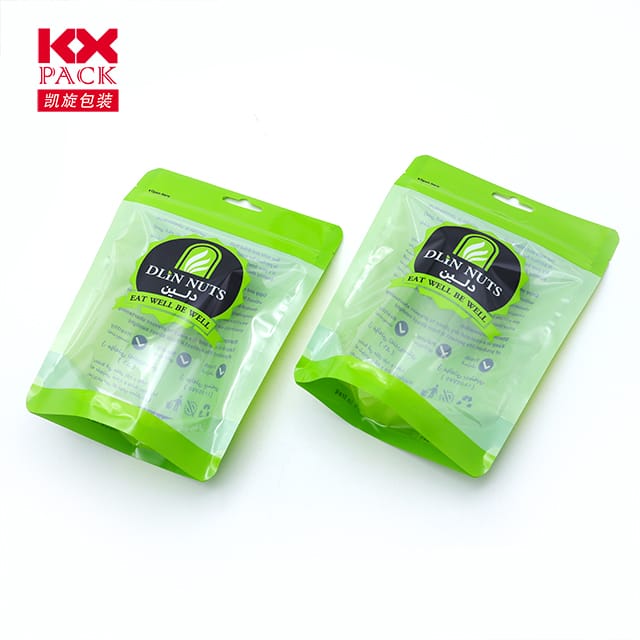
Еволюцията и въздействието на гъвкавите филми в опаковката на храните: Устойчива революция (3)
Гъвкави филми
В днешния забързан свят, Опаковането на храни вече не е само за ограничаване - това е наука, която балансира запазването, удобство, и устойчивост. Сред иновациите, движещи тази трансформация, flexible films have emerged as a game-changer in food packaging. Лек, универсален, и адаптивен, Тези материали прекрояват как защитаваме, транспорт, и консумирайте храна. Let’s dive into why flexible films are revolutionizing the industry and what their future holds.
What Are Flexible Films?
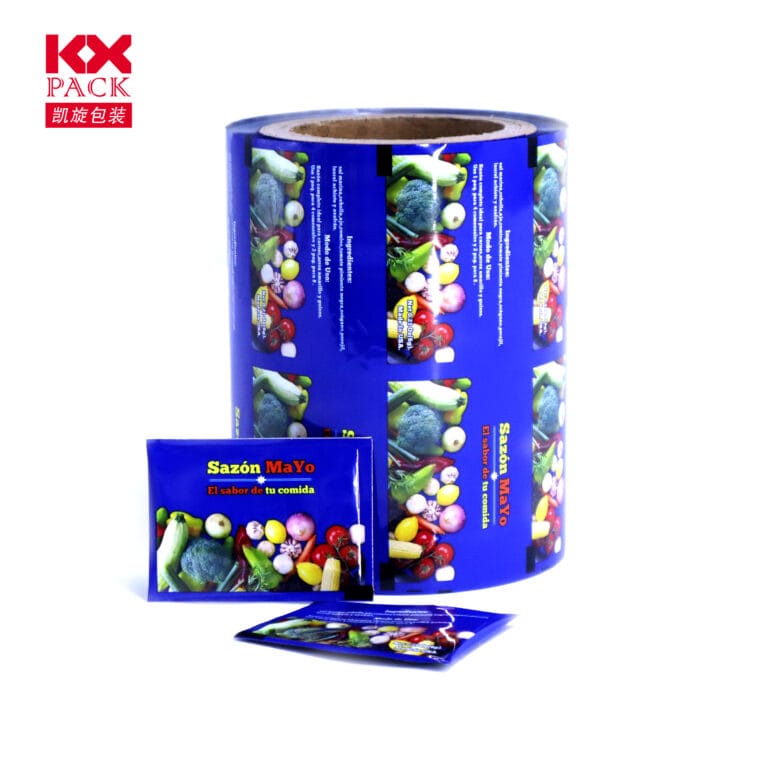
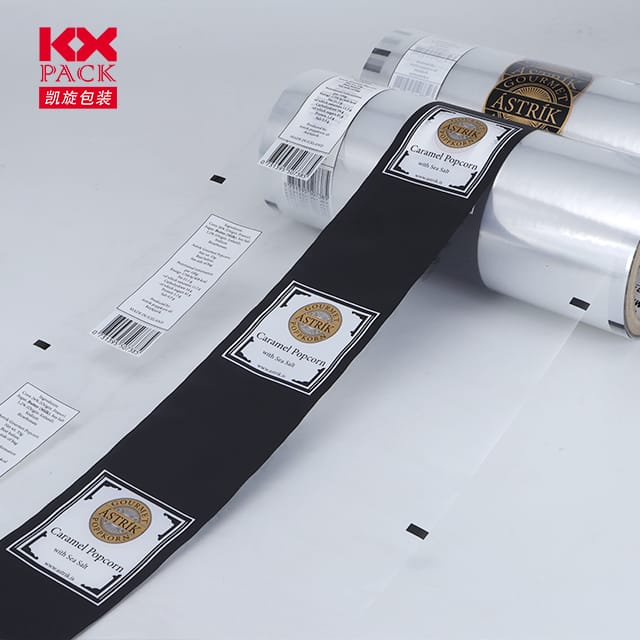
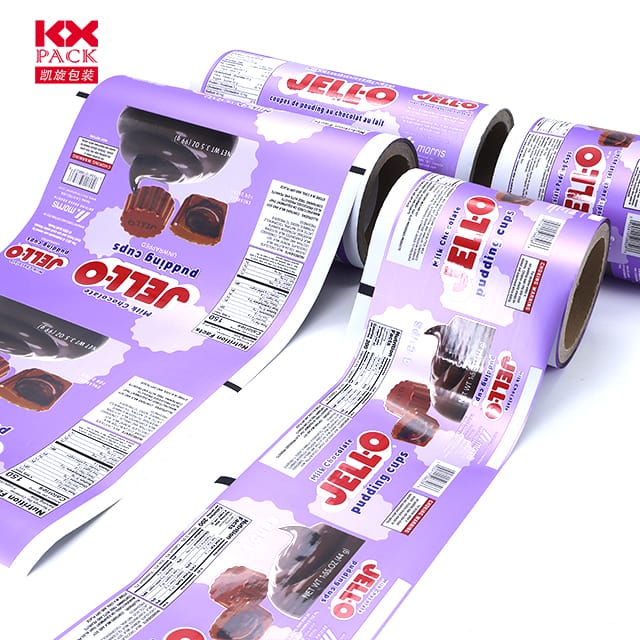
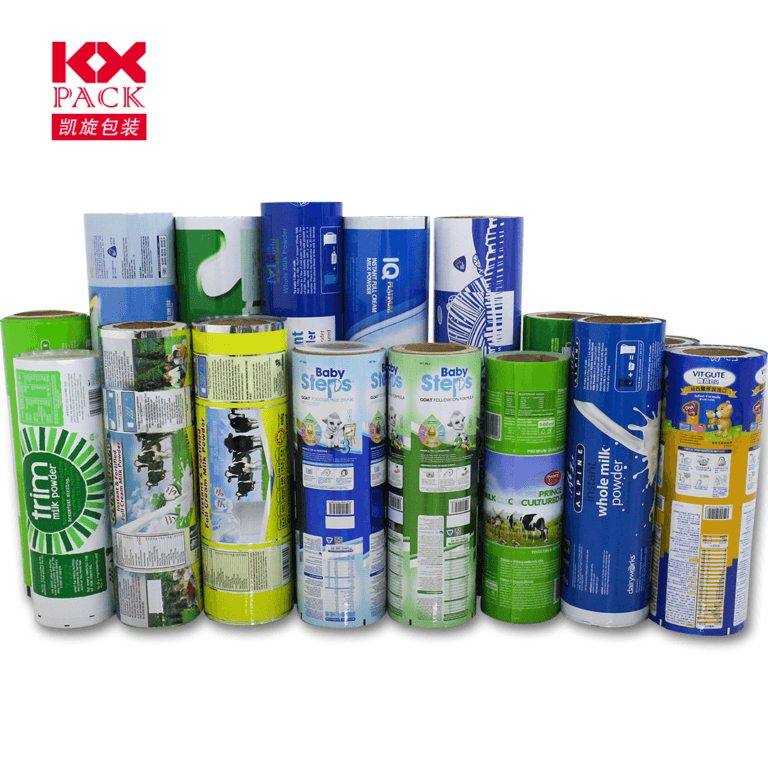
Flexible films are thin, pliable materials made from polymers like polyethylene (PE), Полипропилен (ПП), полиестер (ДОМАШЕН ЛЮБИМЕЦ), and biodegradable alternatives such as PLA (Полилактична киселина). These films can be laminated, coated, or printed to create packaging solutions tailored for specific food products—from snacks and fresh produce to frozen meals and beverages.
Their key advantages? Lightweight construction reduces shipping emissions, customizable barrier properties extend shelf life, иflexibility allows for efficient use of space in packaging designs.
Why Are Flexible Films Dominating Food Packaging?
- Enhanced Shelf Life
Flexible films can be engineered with oxygen, влага, and light barriers to prevent spoilage. Например, high-barrier laminates keep coffee fresh, while modified atmosphere packaging (Карта) films extend the shelf life of meat and cheese. - Sustainability Gains
Traditional rigid packaging often uses more material and generates higher waste. Flexible films, by contrast, require fewer resources to produce and transport. Допълнително, advancements in recyclable and compostable films (e.g., bio-based PLA or mono-material PE structures) are reducing plastic pollution. - Удобство & Иновация
Resealable zippers, easy-tear openings, and stand-up pouches make flexible packaging consumer-friendly. Brands like snack companies and ready-meal producers leverage these features to enhance user experience. - Ефективност на разходите
Lighter materials mean lower shipping costs, and the ability to form-fill-seal (FFS) on high-speed machinery boosts production efficiency.
Предизвикателства & Пътят напред
Въпреки техните ползи, flexible films face hurdles:
- Recyclability Complexity: Многослойни ламинати (e.g., PET/AL/PE) are hard to recycle.
- Възприятие на потребителите: Some still associate plastics with waste, even if innovations like chemical recycling or compostable films exist.
Решения на хоризонта:
- Моно-материални структури: Using a single polymer type (e.g., All-Pe торби) improves recyclability.
- Биоразградими филми: Изработени от възобновяеми ресурси, these break down naturally, though scalability remains a challenge.
- Интелигентно опаковане: Integrating sensors or QR codes into films to track freshness and reduce waste.
The Future is Flexible
The global flexible packaging market is projected to reach$250 милиард от 2028, driven by e-commerce growth and sustainability mandates. Brands are increasingly prioritizingcircular design—creating packaging that’s recyclable, reusable, or compostable by design.
As consumers demand eco-friendly options without sacrificing convenience, flexible films will play a pivotal role in bridging the gap. The next frontier? Иновации катоedible films (Изработени от морски водорасли или нишесте) илиself-healing materials that further minimize waste.
Заключение
Flexible films are more than just packaging—they’re a testament to human ingenuity in solving modern challenges. By balancing functionality, устойчивост, and affordability, they’re not just protecting food but also our planet. С напредването на технологиите, едно е ясно: the future of food packaging is flexible, and it’s here to stay.
What’s your take on flexible films? Споделете мислите си в коментарите по -долу! 🌱🍱
Ключови думи: flexible films, опаковки за храни, устойчивост, срок на годност, биоразградими, рециклируеми, кръгова икономика