تطور وتأثير أفلام التغليف البلاستيكية: موازنة الوظائف والاستدامة
أفلام التعبئة والتغليف البلاستيكية
في المشهد الاستهلاكي سريع الخطى اليوم, أفلام التغليف البلاستيكية أصبحت في كل مكان, حماية كل شيء بصمت من المنتجات الطازجة إلى الإلكترونيات. هذه المواد متعددة الاستخدامات, المعروف عن المتانة خفيفة الوزن, مقاومة الرطوبة, وكفاءة التكلفة, لقد أحدثت ثورة في كيفية وصول المنتجات إلى المستهلكين. حتى الآن, أثارت آفاقهم البيئية مناقشات ساخنة. دعونا نستكشف عالم أفلام التغليف البلاستيكية ونستكشف فوائدها, التحديات, والخطوات المبتكرة نحو مستقبل أكثر خضرة.
1. عمال التعبئة والتغليف الحديثة
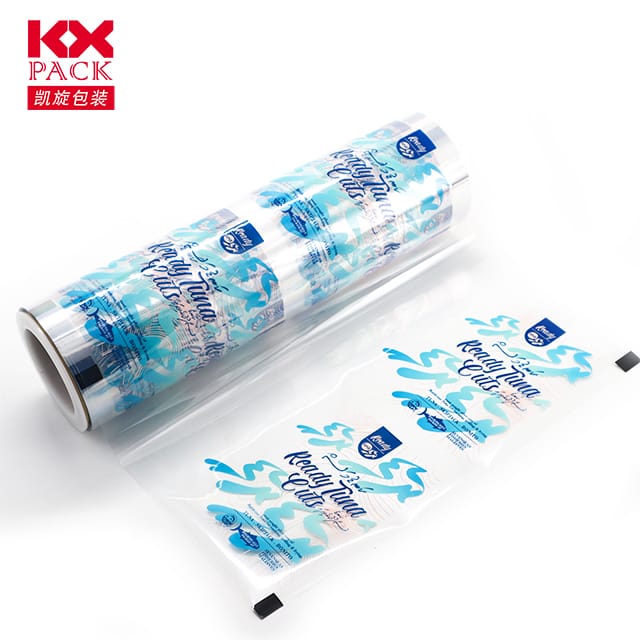
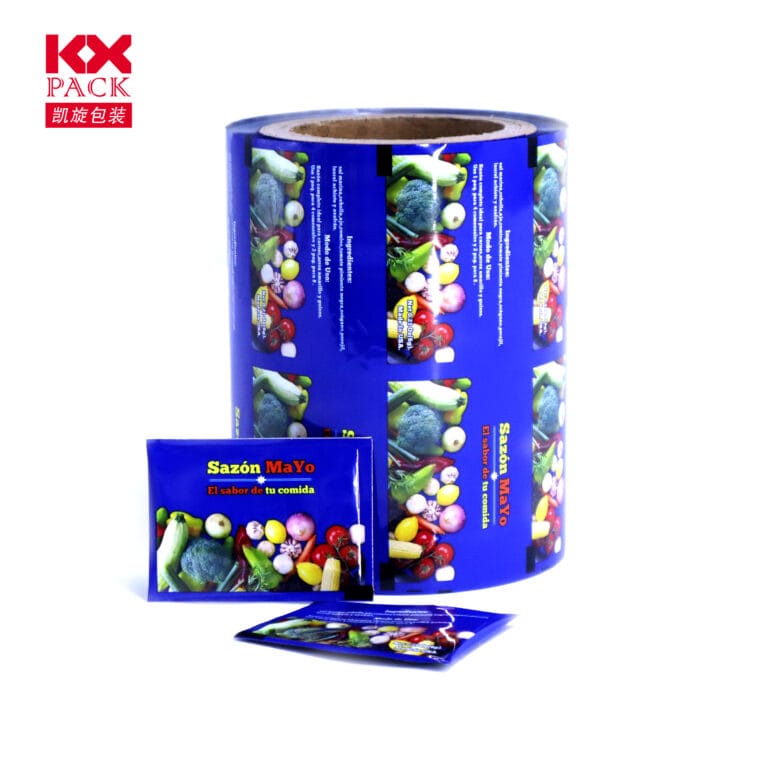
أفلام التغليف البلاستيكية, بما في ذلك البولي ايثيلين (PE), البولي بروبيلين (ص), والبوليستر (حيوان أليف), تم تصميمها لتلبية الاحتياجات المتنوعة.
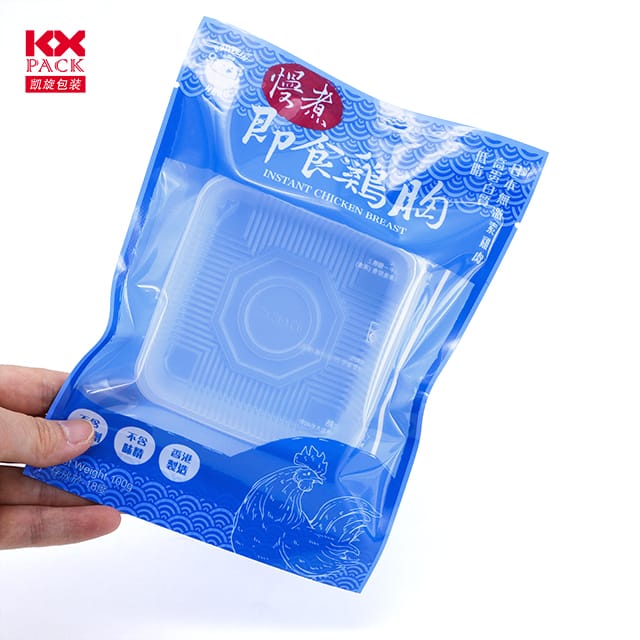
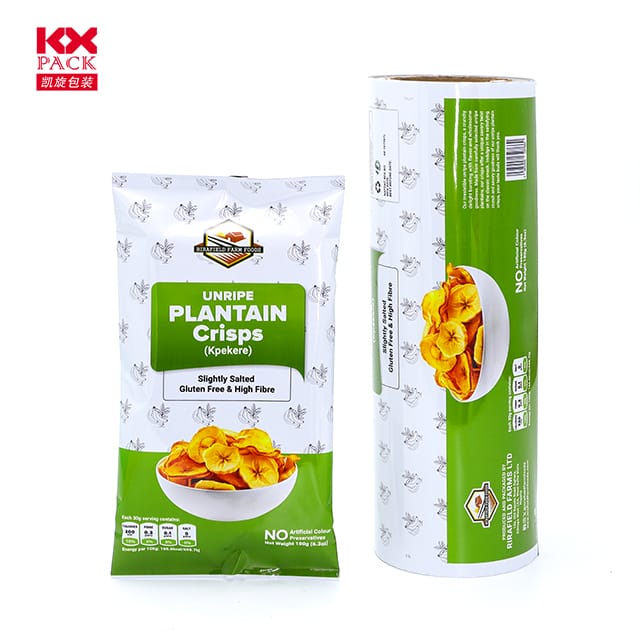
- حفظ الطعام: أفلام مثل بوب (البولي بروبيلين الموجهة ثنائي المحور) هي العناصر الأساسية في تغليف الوجبات الخفيفة, تقديم الشفافية, حواجز الرطوبة, والطباعة. على سبيل المثال, تعتمد أكياس رقائق البطاطس على أفلام متعددة الطبقات للحفاظ على هشاشتها ومدة صلاحيتها.
- التطبيقات الزراعية: البولي إثيلين المنخفض الكثافة (البولي ايثيلين منخفض الكثافة) تحمي الأفلام المحاصيل من الآفات والطقس, تمديد مواسم الزراعة والحد من هدر الطعام قبل الحصاد.
- الاستخدامات الصناعية والطبية: تعمل أفلام التمدد على تأمين المنصات أثناء النقل, بينما تحمي الأفلام الطبية المعقمة الأدوات الجراحية.
وتؤكد قدرتها على التكيف عبر الصناعات على عدم إمكانية الاستغناء عنها، ولكن بأي ثمن?
2. المفارقة البيئية
بينما تتفوق الأفلام البلاستيكية في الأداء, ومن الصعب تجاهل عيوبها:
- النفايات ذات الاستخدام الواحد: مذهل 36% من جميع البلاستيك المنتج عالميا يستخدم في التعبئة والتغليف, يتم التخلص من الكثير منها بعد استخدام واحد. غالبًا ما ينتهي الأمر بالأفلام مثل غلاف التغليف أو أكياس التسوق في مدافن النفايات أو المحيطات, تستغرق قرونًا لتتحلل.
- إعادة تدوير العقبات: تواجه العديد من الأفلام صعوبة في إعادة التدوير بسبب التلوث, التراكيب متعددة الطبقات, أو نقص البنية التحتية. على سبيل المثال, الأفلام المركبة المستخدمة في تغليف القهوة (على سبيل المثال, أكياس مبطنة بالرقائق) نادرا ما يتم قبولها في برامج الرصيف.
- تلوث البلاستيك الدقيق: تنقسم الأفلام المتحللة إلى جسيمات بلاستيكية دقيقة, تسلل النظم البيئية وحتى سلاسل الغذاء البشرية.
3. الابتكارات التي تقود الاستدامة
وتتسابق صناعة التعبئة والتغليف لمواجهة هذه التحديات من خلال الحلول المتطورة:
- أفلام قابلة للتحلل وقابلة للسماد: شركات مثل شركة تيبا و نوفامونت هي أفلام رائدة قابلة للتحلل مصنوعة من مواد نباتية (على سبيل المثال, نشا الذرة أو الطحالب). هذه تتحلل في منشآت التسميد الصناعية في غضون أسابيع, تقديم بديل قابل للتطبيق للمواد البلاستيكية التقليدية.
- أفلام أحادية المادة قابلة لإعادة التدوير: تتحول العلامات التجارية إلى أفلام البوليمر الواحد (على سبيل المثال, 100% PE أو PP) لتحسين إمكانية إعادة التدوير. على سبيل المثال, ProAmpac’s قابلة لإعادة التدوير الاستباقية تم تصميم الأفلام لسهولة الفرز وإعادة المعالجة.
- اختراقات إعادة تدوير المواد الكيميائية: تقنيات إعادة التدوير المتقدمة, مثل الانحلال الحراري, تحويل النفايات البلاستيكية المختلطة إلى وقود أو مواد خام للأفلام الجديدة, إغلاق الحلقة على الدائرية.
- طلاءات الحاجز من الطبيعة: يستخدم المبتكرون الشيتوزان (من قذائف القشريات) أو ألياف السليلوز النانوية لإنشاء حواجز قابلة للتحلل, تقليل الاعتماد على المواد الكيميائية المعتمدة على الوقود الأحفوري.
4. مسؤولية المستهلك والشركات
لا يعد الانتقال إلى التغليف المستدام مجرد مهمة الشركة المصنعة، بل يلعب المستهلكون وصانعو السياسات أدوارًا محورية:
- تثقيف المتسوقين: وضع العلامات واضحة (على سبيل المثال, "المنزلية القابلة للتحلل" مقابل "المنزلية القابلة للتحلل". "قابلة لإعادة التدوير") ويمكن لحملات التوعية أن تقلل من التلوث في مسارات إعادة التدوير.
- التزامات الشركات: العمالقة يحبون يونيليفر و نستله تعهدت بخفض استخدام البلاستيك البكر والاستثمار في التغليف القابل لإعادة التدوير/التحويل إلى سماد 2025.
- روافع السياسة: مسؤولية المنتج الممتد (EPR) القوانين في الاتحاد الأوروبي والولايات المتحدة. تحميل العلامات التجارية المسؤولية عن النفايات, تحفيز التصميم البيئي.
5. الطريق إلى الأمام: نهج هجين
في حين لا يوجد حل واحد سيحل أزمة البلاستيك, النهج الهجين يظهر الوعد:
- الأنظمة القابلة لإعادة الاستخدام: محطات إعادة التعبئة والتغليف القابل للإرجاع (على سبيل المثال, حاويات الحلقة المتينة) تقليل النفايات ذات الاستخدام الواحد.
- أفلام ذكية: يمكن للأفلام الحساسة للحرارة أو الموسومة بـ RFID تحسين سلاسل التوريد, تقليل الإفراط في التعبئة والتغليف.
- التعاون العالمي: الشراكات بين الصناعات (على سبيل المثال, ال اقتصاد البلاستيك الجديد لمؤسسة إلين ماك آرثر) تعمل على تسريع الابتكار والتوحيد القياسي.
استنتاج: إعادة النظر في دور الأفلام البلاستيكية
إن أفلام التغليف البلاستيكية موجودة لتبقى، ولكن يجب إعادة تعريف مستقبلها. من خلال تحديد الأولوياتقابلية إعادة التدوير, قابلية السماد, وتقليل استخدام المواد, يمكن للصناعة الحد من تأثيرها البيئي دون التضحية بالوظائف.
كمستهلكين, نحن نمتلك السلطة أيضا: اختر العلامات التجارية الملتزمة بالاستدامة, إعادة التدوير بجد, والدعوة إلى التغيير المنهجي. بعد كل شيء, الأفلام التي تغلف حياتنا اليومية يجب أن تحمي منتجاتنا وكوكبنا.
ما هو رأيك في أفلام التغليف البلاستيكية? شارك أفكارك أو نصائحك للمقايضات المستدامة أدناه! 🌍🛍️♻️
الكلمات الرئيسية: أفلام التغليف البلاستيكية, الاستدامة, عبوة قابلة للتحلل, إعادة التدوير, الاقتصاد الدائري, تغليف المواد الغذائية, التأثير البيئي.