أهمية تغليف المواد الغذائية الصديقة للبيئة (6)
تغليف فيلم الغذاء الصديق للبيئة
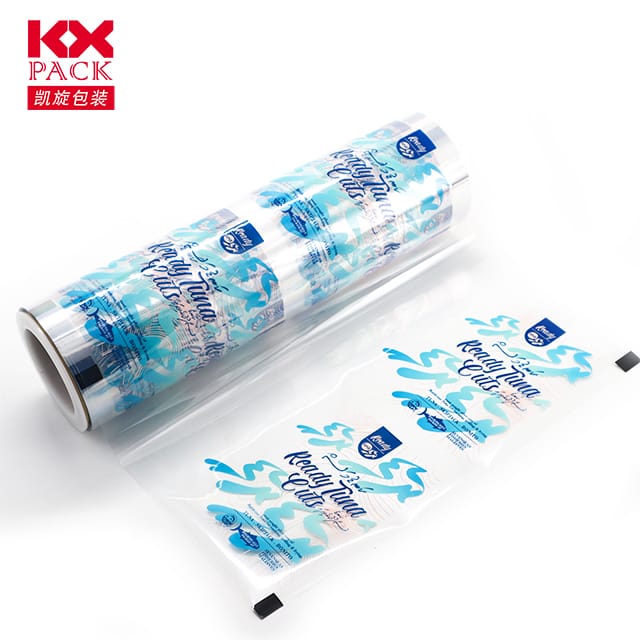
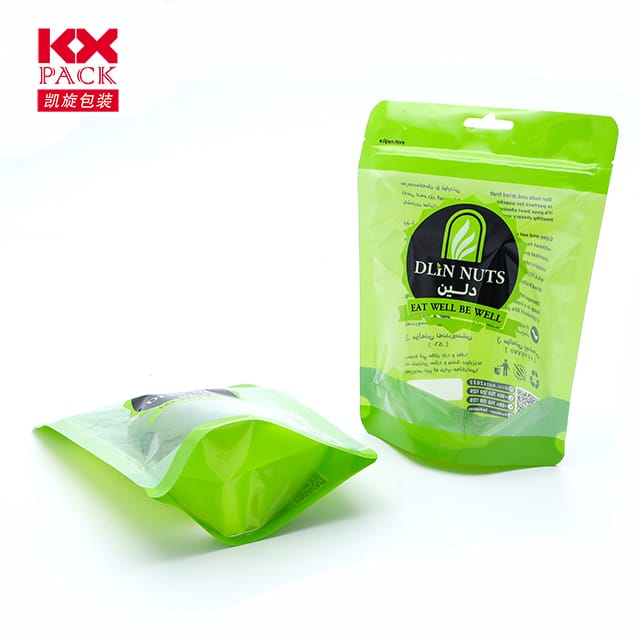
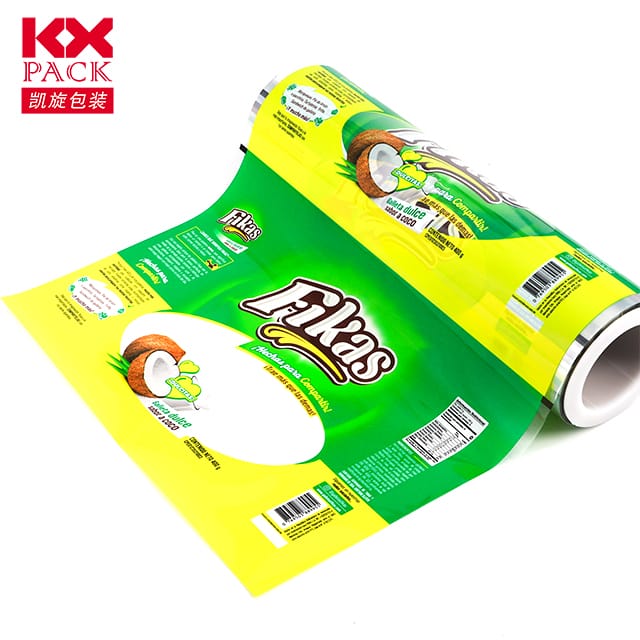
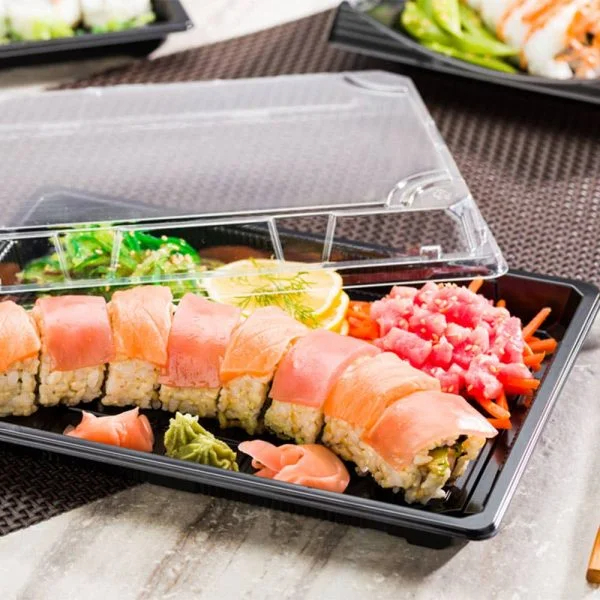
في عالم اليوم, حيث غالبًا ما تسير الراحة والاستدامة جنبًا إلى جنب, the role of تغليف فيلم الغذاء الصديق للبيئة cannot be overstated. عندما يصبح المستهلكون أكثر وعياً بالبيئة, لقد ارتفع الطلب على حلول التغليف الصديقة للبيئة, وخاصة في صناعة المواد الغذائية. يخدم تغليف الأفلام الغذائية أغراضًا متعددة: it preserves the freshness and quality of food, protects it from contamination, and enhances its shelf life. لكن, traditional packaging materials often come with a significant environmental cost. This blog post delves into the significance of eco-friendly food film packaging and why it’s essential for both consumers and businesses alike.
Traditional food packaging, such as plastic films, has been widely used due to its versatility, الفعالية من حيث التكلفة, and barrier properties that protect food from oxygen, رُطُوبَة, and microorganisms. لكن, these benefits come at a price. Plastic waste has become a global crisis, polluting oceans, harming marine life, and contributing to the overall decline of ecosystems. علاوة على ذلك, the production and incineration of conventional plastics emit harmful greenhouse gases, exacerbating climate change.
The Rise of Eco-Friendly Alternatives
In response to these environmental concerns, the market for eco-friendly food film packaging has expanded rapidly. These alternatives aim to minimize environmental impact while maintaining the functional properties of traditional plastics. Some of the most promising materials include:
- أفلام قابلة للتحلل: Made from natural resources like cornstarch, potato starch, or other plant-based polymers, these films decompose naturally under composting conditions, الحد من النفايات والتلوث في مدافن النفايات.
- جيش التحرير الشعبى الصينى (حمض بولييلاكتيك): Derived from renewable sources like sugarcane or corn, PLA is a biodegradable and compostable polyester that offers similar performance to conventional plastics but with a significantly lower carbon footprint.
- PHA (Polyhydroxyalkanoates): Produced by certain bacteria through fermentation, PHA is a fully biodegradable polymer with exceptional barrier properties, making it ideal for packaging sensitive foods.
- Recycled Plastics: Using recycled PET (البولي ايثيلين تيريفثاليت) and other recycled plastics in food packaging reduces the demand for virgin plastic and diverts waste from landfills.
Benefits for Consumers and Businesses
Adopting تغليف فيلم الغذاء الصديق للبيئة offers numerous benefits:
- التأثير البيئي: By reducing reliance on single-use plastics, businesses can significantly decrease their carbon footprint and contribute to a cleaner, healthier planet.
- نداء المستهلك: Environmentally conscious consumers are increasingly willing to pay a premium for products packaged in sustainable materials. This shift can provide a competitive edge for businesses that prioritize sustainability.
- التدقيق المطلوب: Many countries and regions are implementing regulations to restrict or ban single-use plastics. Transitioning to eco-friendly packaging helps businesses comply with these laws and avoid potential penalties.
- Brand Reputation: Commitment to sustainability can enhance a brand’s image and reputation, fostering loyalty among consumers who prioritize ethical consumption.
The Future of Food Film Packaging
As technology advances and consumer awareness grows, the future of food film packaging looks increasingly promising. Innovations in biodegradable and compostable materials, as well as advancements in recycling technologies, will continue to drive the adoption of eco-friendly packaging solutions. Collaboration between government agencies, الشركات, and consumers will be crucial in accelerating this transition and mitigating the environmental impacts of food packaging.
ختاماً, eco-friendly food film packaging is not just a trend but a necessary step towards a more sustainable future. By embracing these alternatives, businesses can reduce their environmental footprint, appeal to conscious consumers, and pave the way for a cleaner, healthier world. As we move forward, let’s prioritize solutions that protect both our food and our planet.