Film sak: Die onbesonge held van buigsame verpakking
Film sak
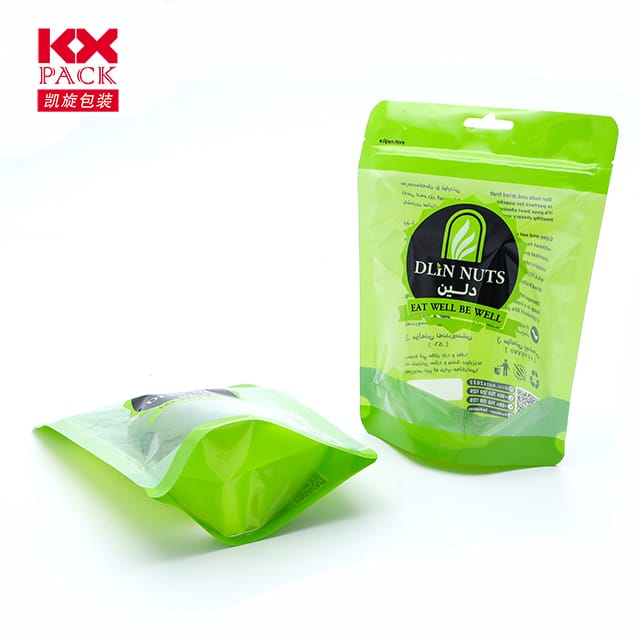
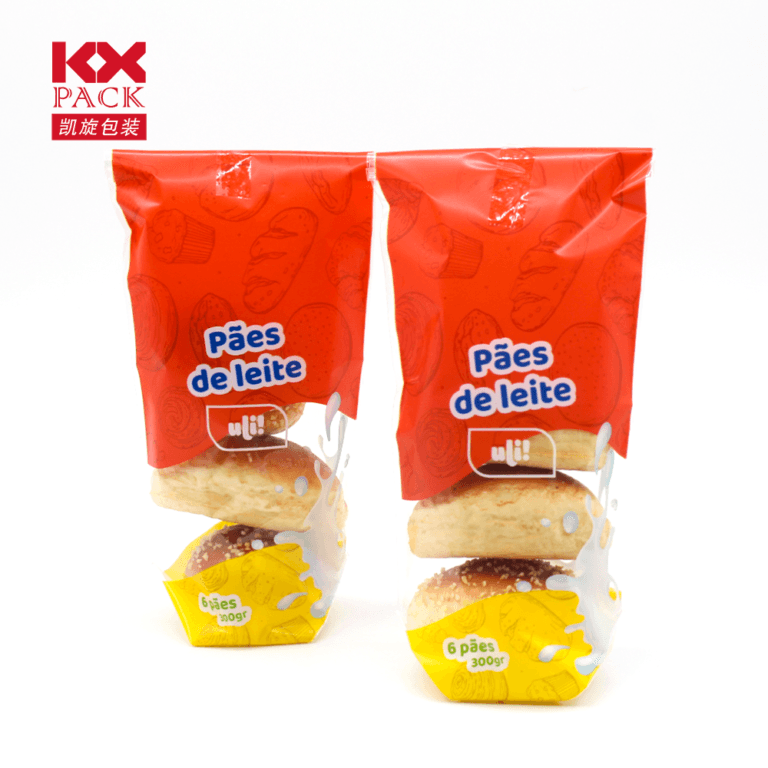
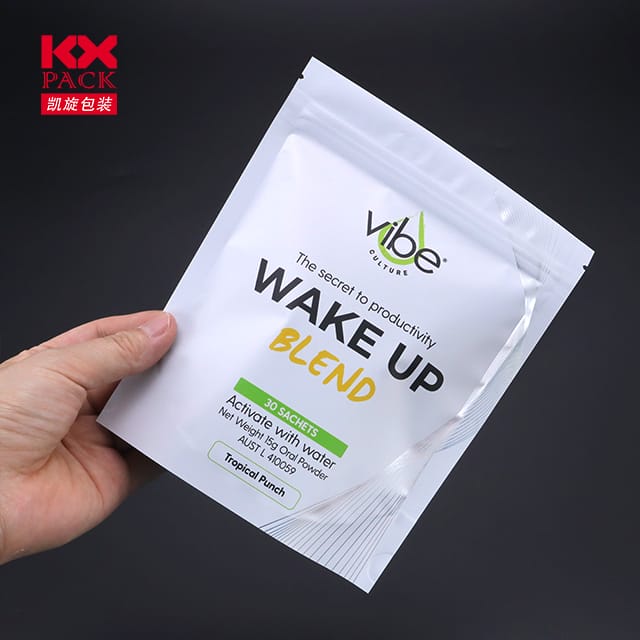
In a world dominated by convenience and sustainability, film sak has emerged as a critical player in the packaging industry. Hierdie klein, veelsydige sakkies is oral - van enkelbedien koffiesakkies en reisgrootte toiletware tot speserypakkies en farmaseutiese stroke. Maar wat maak sakkiefilm so onontbeerlik, en hoe ontwikkel dit om aan moderne eise te voldoen? Let’s dive into the world of this lightweight yet mighty packaging solution.
Wat is Sachet Film?
Sachet film refers to thin, flexible laminated materials used to create small, sealed pouches (sakkies) for packaging liquids, poeiers, or semi-solids. Typically composed of multiple layers—such as polyester (PET), poliëtileen (PE), aluminiumfoelie, or biodegradable polymers—these films combine strength, versperringseienskappe, and printability to protect contents from moisture, suurstof, lig, and contamination.
Key characteristics:
- Liggewig en kompak: Minimizes material use and shipping costs.
- Aanpasbaar: Available in various sizes, shapes, and sealing methods (Bv., heat-sealed, afskilbaar).
- High barrier options: Some films include aluminum or EVOH layers to extend shelf life.
- Eco-friendly alternatives: Growing adoption of biodegradable and compostable films.
Why Sachet Film Matters
1. Convenience for Consumers
Sachets cater to on-the-go lifestyles, offering portion control and reducing waste. Think of ketchup packets at fast-food chains or single-use face masks in hotels—these small packages deliver convenience without bulk.
2. Cost-Effective for Brands
For manufacturers, sachet film reduces material costs compared to rigid packaging (like bottles or jars) and lowers shipping expenses due to its lightweight nature. It’s also ideal for free samples or trial-sized products, driving customer acquisition.
3. Sustainability Challenges and Innovations
While sachets are practical, their single-use nature has raised environmental concerns. Traditional laminated films are often non-recyclable due to mixed materials. Egter, the industry is responding with:
- Bioafbreekbare films: Gemaak van plantgebaseerde polimere (Bv., PLA, PHA) that break down under specific conditions.
- Recyclable mono-materials: Using single-type plastics (like PE) om herwinning te vereenvoudig.
- Reusable sachets: Some brands now offer refillable or durable pouches to reduce waste.
4. Veelsydigheid oor nywerhede
Sachet film serves diverse sectors:
- Kos & Drankie: Seasoning packets, honey sticks, energy gel sachets.
- Persoonlike versorging: Shampoo samples, moisturizer pods, travel-sized toothpaste.
- Farmaseutiese produkte: Blister packs for pills, sachets for oral suspensions.
- Landbou: Saad pakkies, fertilizer sachets.
Die toekoms van Sachet Film
As sustainability becomes a priority, the sachet film market is shifting toward greener alternatives. Innovations include:
- Water-soluble films: Dissolve in water, leaving no residue (used for detergent pods).
- Advanced recycling technologies: Chemical recycling to break down complex laminates.
- Slim verpakking: Incorporating QR codes or NFC tags for anti-counterfeiting and consumer engagement.
Brands are also redesigning sachets to be more ergonomic, with easy-tear notches or resealable zippers, enhancing user experience.
Afsluiting: Small Package, Big Impact
Sachet film may be tiny, but its role in modern packaging is monumental. Deur gemak te balanseer, koste, en volhoubaarheid, it continues to adapt to consumer needs and environmental challenges. Whether you’re a brand looking to optimize packaging or a consumer enjoying a single-serve coffee, sachet film is quietly shaping how we interact with products every day.
What’s your take on sachet film? Share your thoughts on its sustainability or favorite uses in the comments below!
Want to stay updated on packaging trends? Follow our blog for more insights. 🌍✨