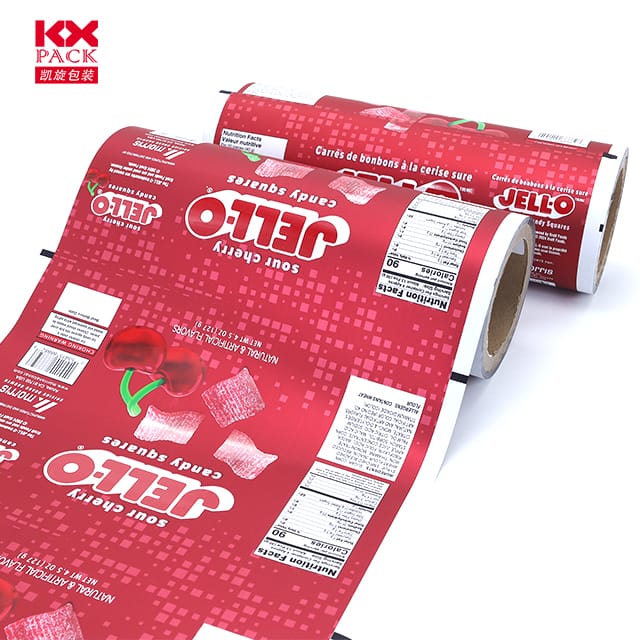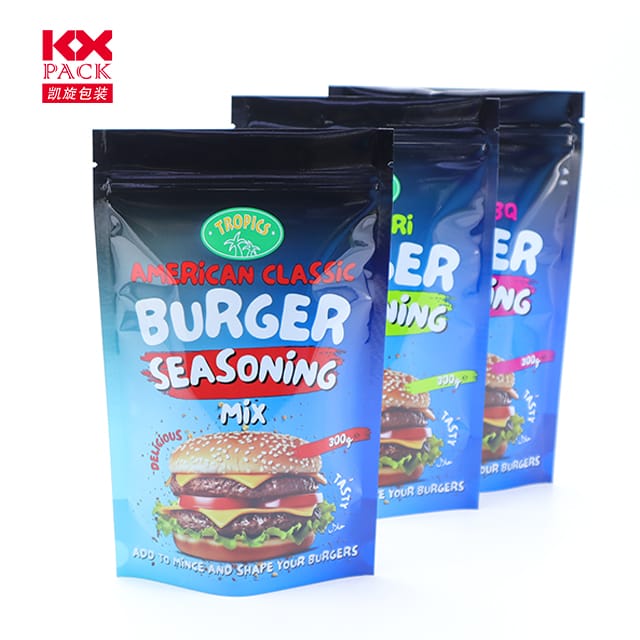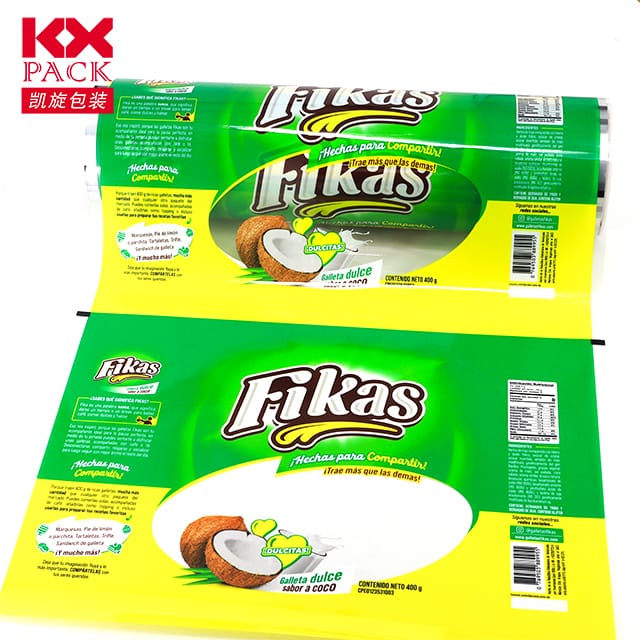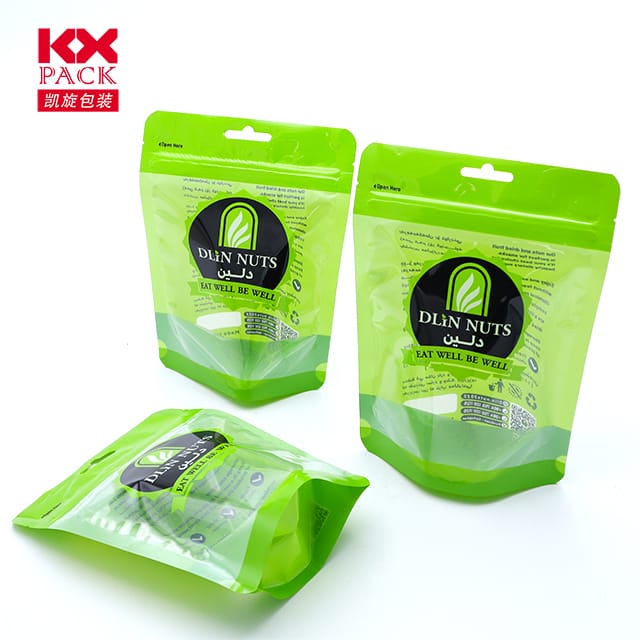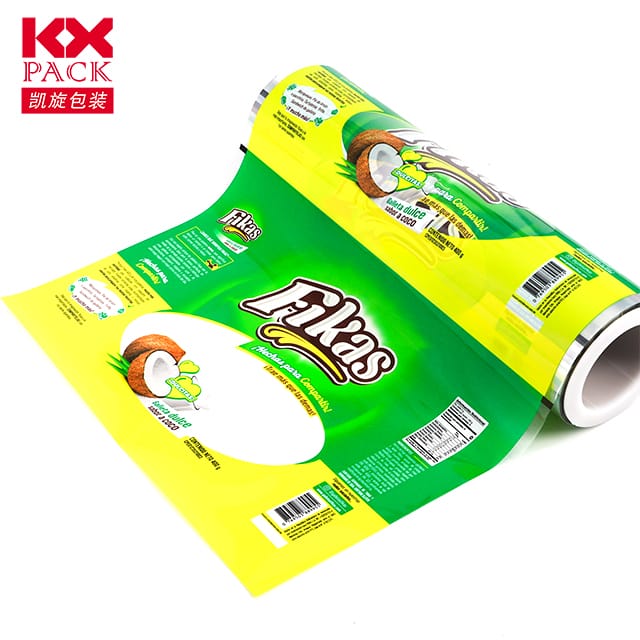
Die rol en evolusie van plastiekfilmverpakking: Balansering van funksionaliteit en volhoubaarheid
Plastic Film Packaging
Plastic film packaging has long been a cornerstone of modern consumer goods, voedsel, en industriële sektore. Die veelsydigheid daarvan, Koste-effektiwiteit, en die vermoë om varsheid van die produk te bewaar, het dit onontbeerlik gemaak. Egter, Soos die omgewingskwessies monteer, vervaardigers en verbruikers herwaardeer sy rol. Kom ons verken die dinamika van plastiekfilmverpakking, sy uitdagings, and its sustainable future.
Why Plastic Film Packaging Dominates the Market
Plastic films, insluitend poliëtileen (PE), polipropileen (PP), en polivinielchloried (PVC), are favored for several reasons:
- Protection and Preservation: These films act as barriers against moisture, suurstof, en kontaminante, extending the shelf life of perishable goods like food, farmaseutiese produkte, en elektronika.
- Liggewig en buigsaam: Their malleability allows for custom shapes and sizes, reducing material waste and shipping costs.
- Koste-doeltreffendheid: Compared to alternatives like glass or metal, plastic films are cheaper to produce and transport, making them ideal for mass-market products.
- Transparency and Printability: Duidelike films vertoon produkte, while printed designs enhance branding and consumer appeal.
Environmental Challenges and Industry Responses
Ten spyte van sy voordele, plastic film packaging faces severe criticism due to its environmental impact:
- Single-Use Waste: A significant portion of plastic films ends up in landfills or oceans, contributing to pollution and harming wildlife.
- Recycling Hurdles: Many plastic films are difficult to recycle due to contamination, mixed materials, or lack of infrastructure.
In response, die bedryf draai nasustainable alternatives:
- Bio -afbreekbare en komposteerbare films: Innovations include plant-based polymers (Bv., PLA from corn starch) and oxo-biodegradable additives that accelerate breakdown in natural environments.
- Herwonne inhoud: Manufacturers are incorporating post-consumer recycled (PCR) materials into films, reducing reliance on virgin plastics.
- Herbruikbare verpakkingstelsels: Brands are experimenting with refillable containers and return-and-reuse models to minimize single-use waste.
- Gevorderde herwinningstegnologieë: Chemiese herwinningsmetodes, such as pyrolysis, are being explored to transform mixed plastics into reusable raw materials.
Industry Trends Shaping the Future
- Regulatory Pressures: Governments worldwide are imposing stricter rules on plastic use. Byvoorbeeld, the EU’s Single-Use Plastics Directive bans certain non-recyclable items, pushing companies to innovate.
- Consumer Demand for Eco-Friendly Options: Surveys show that 70% of consumers are willing to pay more for sustainable packaging, driving brands to adopt greener solutions.
- Circular Economy Initiatives: Leading companies are investing in closed-loop systems where packaging is collected, herwin, and repurposed endlessly.
- Tegnologiese vooruitgang:
- Barrier Coatings: Nanotechnology-enhanced films improve oxygen and moisture resistance, reducing the need for thick, multi-layer packaging.
- Eetbare films: Gemaak van seewier of stysel, these biodegradable coatings are gaining traction in the food industry.
Case Study: Success in Sustainable Packaging
Neem saamLoop, a global reusable packaging platform partnering with brands like Unilever and Nestlé. Customers receive products in durable, herbruikbare houers, which are collected, skoongemaak, and refilled. This model reduces plastic waste by up to 90% compared to single-use packaging.
Net so, Apeel Sciences has developed an edible, plant-based coating that extends the shelf life of fruits and vegetables, reducing the need for plastic wraps.
Die pad vorentoe: Collaboration and Innovation
Achieving a sustainable future for plastic film packaging requires collective effort:
- Bedryfsamewerking: Manufacturers, kleinhandelaars, and recyclers must work together to standardize recycling processes and invest in infrastructure.
- Verbruikersopvoeding: Raising awareness about proper disposal and recycling habits is critical.
- Policy Support: Governments should incentivize sustainable practices through tax breaks or grants for R&D.
Afsluiting
Plastic film packaging is at a crossroads. While its functionality remains unmatched, the industry must prioritize sustainability to survive. Deur bio-afbreekbare materiale te omhels, sirkulêre ekonomie modelle, and innovative technologies, manufacturers can reduce their environmental footprint without compromising quality or cost-efficiency.
The question is no longerwhether to use plastic film packaging, buthow to use it responsibly. The future belongs to those who balance innovation with eco-consciousness.
What steps do you think brands should take to make plastic film packaging more sustainable? Kom ons bespreek in die kommentaar! 🌍📦
Sleutelwoorde: plastic film packaging, volhoubaarheid, bioafbreekbaar, Omsendbriefekonomie, herwinning, innovasie.