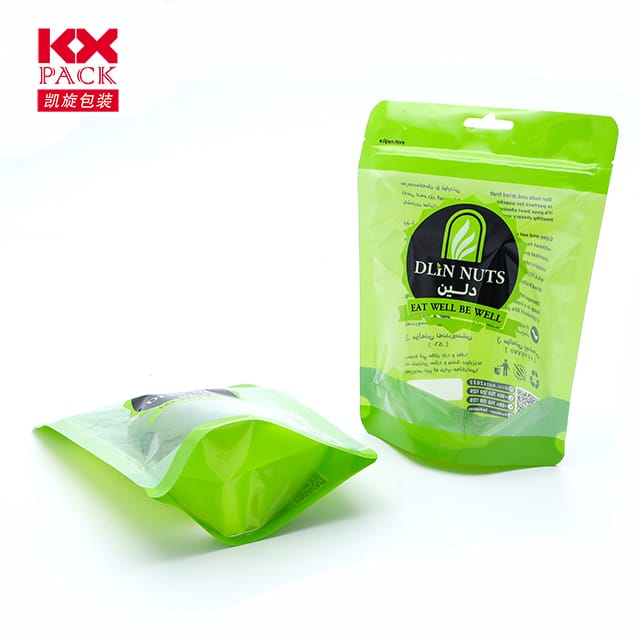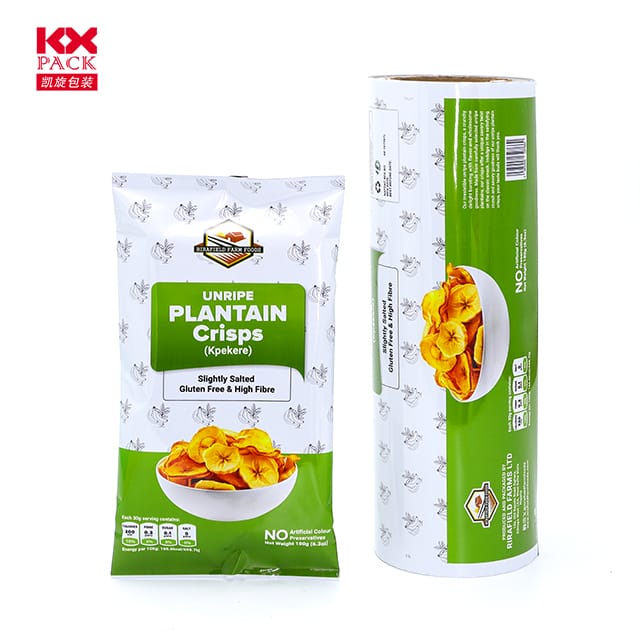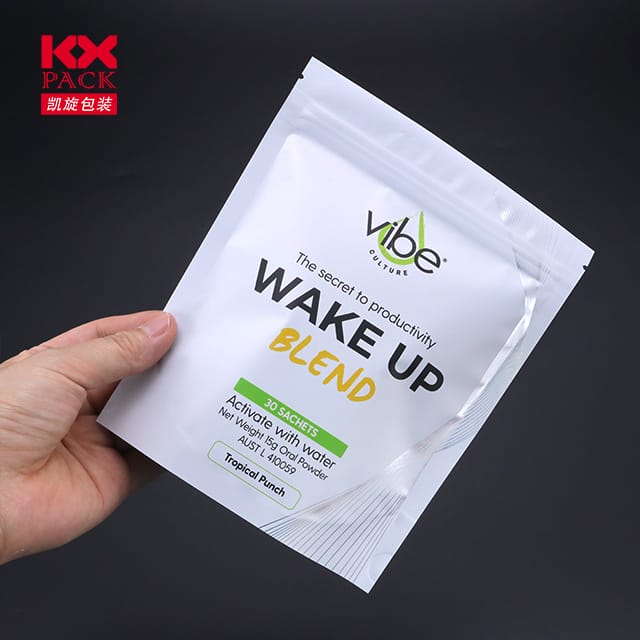
Die onbesonge held van die moderne lewe: Plastiek film vir toedraai
Plastiek film
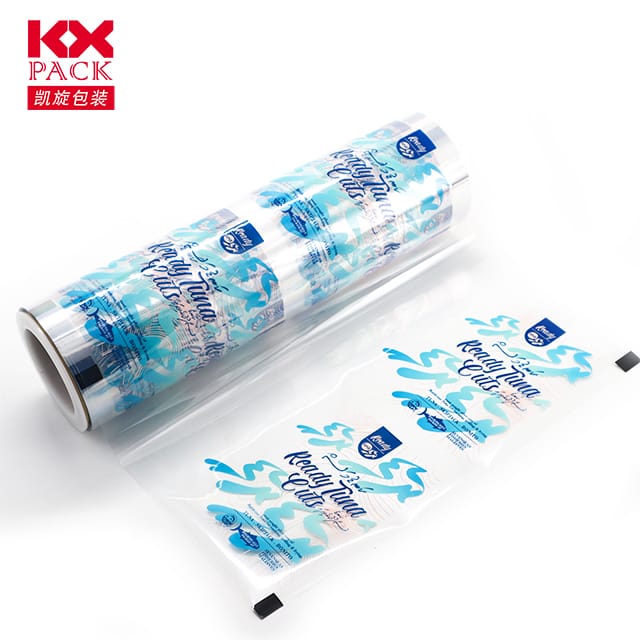
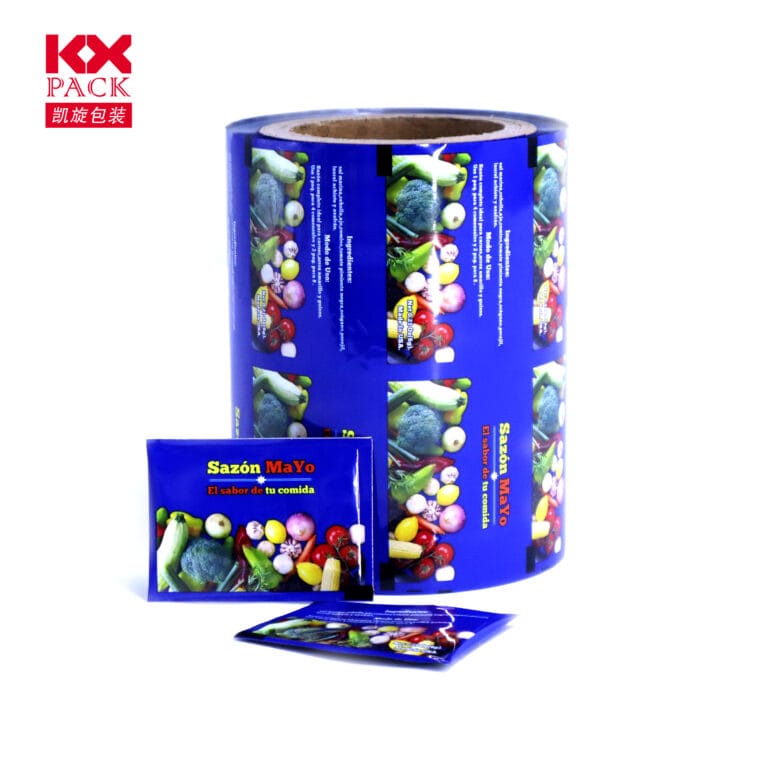
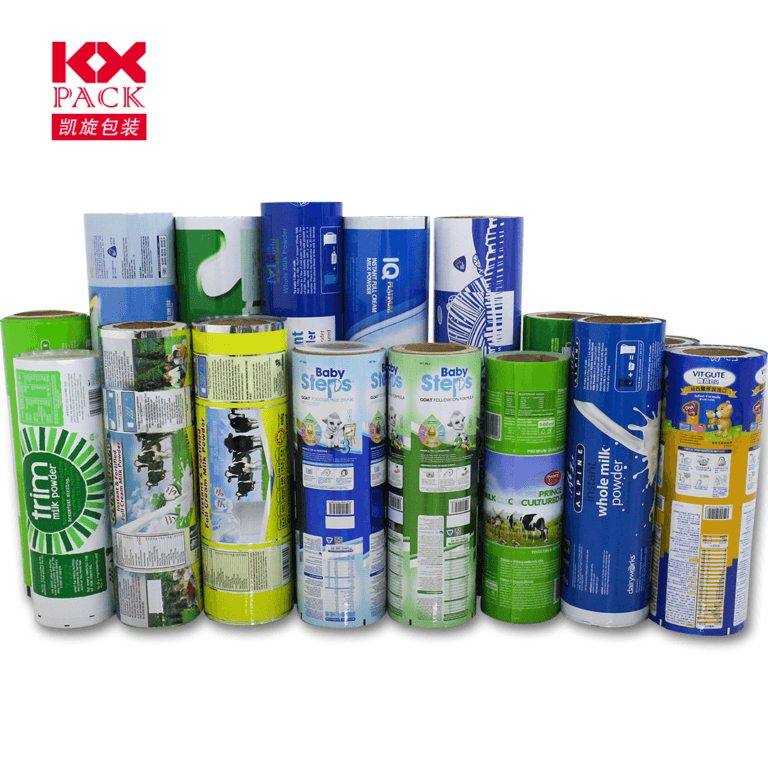
In vandag se vinnige wêreld, waar gemak en doeltreffendheid die hoogste is, een nederige materiaal gaan dikwels ongemerk verby, maar speel 'n deurslaggewende rol in ons daaglikse lewens: plastiekfilm vir toedraai. Van die beskerming van bederfbare voedsel tot die beveiliging van industriële goedere tydens transito, hierdie veelsydige produk is die onbesonge held van verpakkingsoplossings. Let’s dive into why plastic wrapping film is indispensable and explore its environmental impact—and the innovations shaping its future.
Why Plastic Wrapping Film Matters
- Bewaring & Beskerming
Plastic film acts as a barrier against moisture, stof, suurstof, en kontaminante, extending the shelf life of everything from fresh produce to pharmaceuticals. Without it, food waste would skyrocket, and delicate electronics might not survive shipping. - Koste-effektiwiteit
Lightweight and durable, plastic film reduces packaging costs and transportation emissions by minimizing bulk. Its affordability makes it a go-to choice for businesses large and small. - Higiëne & Veiligheid
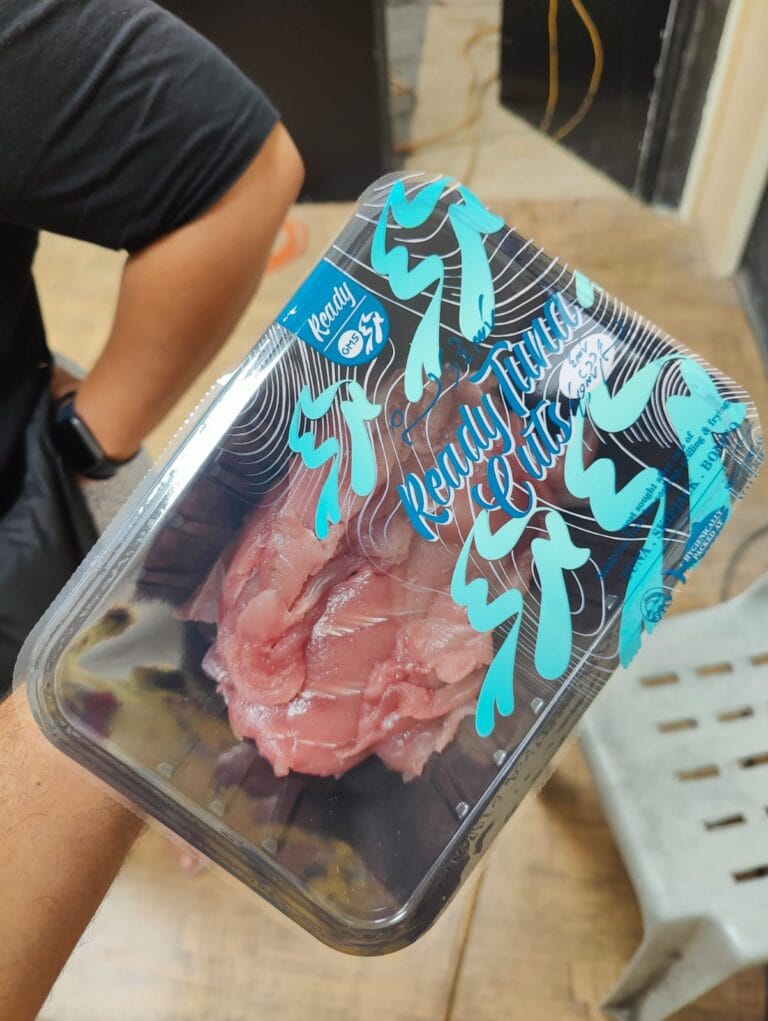
In healthcare and food industries, plastic film ensures sterile environments and prevents cross-contamination. Think of sealed medical equipment or pre-packaged meats—plastic film keeps them safe until use. - Customizability
Manufacturers can tailor plastic film’s thickness, helderheid, and strength to specific needs, whether it’s shrink-wrapping a pallet or cling-filming leftovers.
The Environmental Conundrum
While plastic film offers undeniable benefits, its single-use nature has sparked global concern. Billions of tons end up in landfills or oceans annually, contributing to pollution and harming wildlife. The challenge lies in balancing functionality with sustainability.
Innovasies wat verandering aandryf
The packaging industry is rising to the occasion with eco-friendly alternatives:
- Bioafbreekbaar & Compostable Films
Made from plant-based materials like cornstarch or algae, these films break down naturally, reducing long-term waste. - Herwinde inhoudfilms
Brands are incorporating post-consumer recycled plastics into wrapping, closing the loop on waste. - Herbruikbaar & Herwinbare Opsies
Innovations like silicone food wraps or easily recyclable LDPE (lae-digtheid poliëtileen) films encourage consumers to reuse or recycle instead of toss. - Eetbare films
A futuristic twist! Edible coatings made from seaweed or starch protect food and can be consumed, Die uitskakeling van afval heeltemal.
What Consumers & Businesses Can Do
- Reduce & Hergebruik: Opt for reusable containers or beeswax wraps for home storage.
- Herwin Reg: Check local guidelines—many plastic films (like grocery bags) are recyclable at drop-off centers, not curbside bins.
- Advokaat vir Verandering: Support brands using sustainable packaging and push for policy reforms.
Die pad vorentoe
Plastic film for wrapping isn’t going away anytime soon—and it shouldn’t have to. Its role in preserving resources and reducing waste (through proper use) is too valuable. The key is innovation: creating films that perform flawlessly while leaving a lighter footprint.
As verbruikers, we hold power. By demanding sustainable options and adopting mindful habits, we can transform plastic film from an environmental villain into a tool for a greener future.
Next time you unwrap a sandwich or receive a package, remember: that thin layer of plastic is a marvel of modern engineering. Let’s ensure its legacy is one of progress, not pollution.
What’s your take on plastic wrapping film? Deel jou gedagtes of eko-vriendelike hacks in die kommentaar hieronder! 🌍♻️