Ontwikkel die Waarheid: Die impak van voedselverpakking plastiekfilm en volhoubare alternatiewe(7)
Kostoedraai plastiekfilm
In our fast-paced lives, plastiek wrap het 'n kombuis stapelvoedsel geword - klewerig, gerieflik, en skynbaar onmisbaar. Maar namate omgewingsprobleme groei, dit is tyd om die dun van nader te bekyk, deursigtige film wat ons daagliks gebruik. Kom ons pak die feite uit oor plastiekfilm wat kos toedraai, die impak daarvan, and how we can make smarter choices.
What Is Food Wrapping Plastic Film?
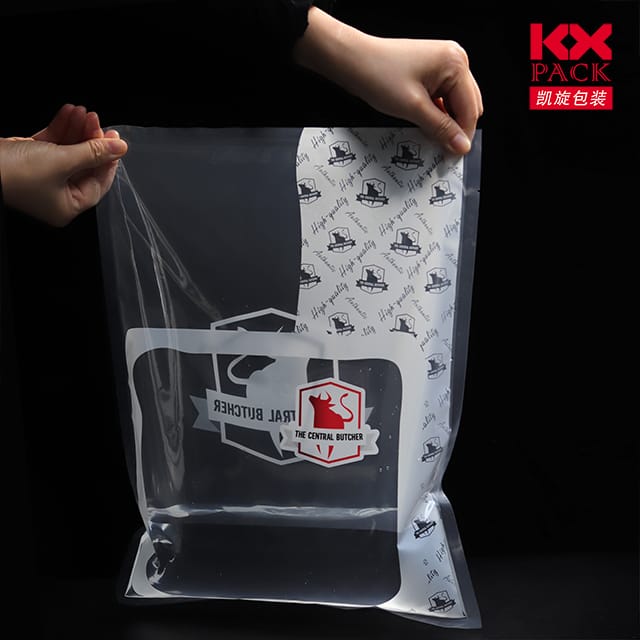
Kostoedraai plastiekfilm, often called “plastiekomslag” of “cling film,” is typically made from poliëtileen (PE), a lightweight and flexible plastic polymer. It’s designed to cling tightly to containers, keeping food fresh by blocking air and moisture. While it’s undeniably handy for covering leftovers, Wikkelde toebroodjies, or storing produce, Die gemak daarvan kom teen 'n koste.
Die Omgewingstol
- Single-Use Plastic Waste
Plastic wrap is a single-use item, meaning it’s used once and discarded. Slegs 9% of global plastic waste is recycled, en Kostoedraai plastiekfilm is notoriously difficult to recycle due to its thin, stretchy texture. Most ends up in landfills, where it can take centuries to decompose, or worse—pollutes oceans and rivers. - Mikroplastiese besmetting
As plastic film breaks down, it fragments into microplastics, which infiltrate soil, water, and even the food chain. Studies show humans ingest tot 5 grams of microplastics weekly via food and water—a concerning statistic with unknown long-term health impacts. - Koolstofvoetspoor
The production of plastic film relies on fossil fuels, contributing to greenhouse gas emissions. Manufacturing just 1 kilogram of polyethylene generates around 2.3 kilograms of CO2.
Is There a Safer Alternative?
Ja! Eco-conscious brands and individuals are pioneering alternatives that balance practicality with sustainability:
- Reusable Wraps
- Byewax wraps: Coated in beeswax, jojoba olie, en boomhars, these cloths mold around containers and can be washed and reused for up to a year.
- Silicone Lids: Stretchy, airtight lids that fit over bowls and containers, dishwasher-safe and durable.
- Compostable Films
Made from plant-based materials like cornstarch or potato starch, these films break down in industrial composting facilities. Egter, they’re not suitable for home composting and require specific conditions to decompose fully. - Glas of vlekvrye staal houers
Ditch single-use plastics entirely with airtight containers that last a lifetime. Pair them with silicone lids or cloth covers for zero-waste storage.
How to Reduce Your Plastic Film Use
- Koop in grootmaat: Purchase larger quantities of food to minimize packaging waste.
- Plan Meals: Reduce leftovers by cooking only what you need.
- DIY Alternatives: Make your own beeswax wraps using fabric scraps and beeswax pellets.
- Herwin Reg: Check local recycling guidelines—some areas accept clean plastic wrap for recycling.
Die toekoms van voedselbewaring
Innovation is key. Companies are exploringeetbare bedekkings (made from ingredients like chitosan or lactic acid) enmycelium-based materials (fungal networks that biodegrade naturally). While these solutions are still emerging, consumer demand can drive their adoption.
Your Choice Matters
Every time you reach for plastic wrap, remember: There’s a more sustainable way to protect your food. By opting for reusable or compostable alternatives, you’re not just preserving freshness—you’re helping preserve the planet.
Let’s cling to change, not plastic. 🌍
Has this inspired you to rethink your kitchen habits? Share your favorite eco-friendly food storage hacks below!
Sleutelwoorde: kos toedraai plastiek film, sustainable alternatives, plastic pollution, eko-vriendelike kombuis, compostable wraps, microplastics, herbruikbare houers