Food Wrap Film en Food Packaging Films: Die uiteindelike gids tot varsheid, Veiligheid, en Volhoubaarheid
Wanneer dit kom by die behoud van die geur, tekstuur, en voedingswaarde van jou gunsteling etes, die onbesonge helde van ons kombuise en voorsieningskettings is kos wrap film en voedselverpakkingsfilms. Of jy nou ’n tuiskok is wat probeer keer dat gisteraand se lasagne uitdroog, of 'n kommersiële voedselvervaardiger wat delikate produkte regoor die land stuur, die keuse van die regte materiaal is uiters belangrik.
Maar kom ons wees eerlik: die wêreld van buigsame verpakking kan ongelooflik verwarrend wees. Met terme soos PVC, PE, versperringseienskappe, en bioafbreekbaarheid rondgegooi, hoe weet jy wat werklik werk?
In hierdie omvattende gids, ons sal alles uitpak waaroor jy moet weet kos wrap film oplossings, verken die nuutste innovasies in voedselverpakkingsfilms, en jou help om ingelig te wees, eko-bewuste keuses.
Waarom Food Wrap Film 'n Kombuis noodsaaklik is
Ons was almal al daar — en staar na 'n halfgeëet avokado, wonder hoe om te keer dat dit bruin word, onaptytlike pap. Dit is waar 'n hoë-gehalte kos wrap film stap in.
In sy kern, kleefplastiek is ontwerp om twee dinge buitengewoon goed te doen: kleef aan oppervlaktes en blokkeer suurstof.
Die Wetenskap van die Strek
Histories, polivinielchloried (PVC) was die beste materiaal vir huishoudelike kleefplastiek as gevolg van sy ongelooflike rek en uitstekende klewerigheid. Egter, namate gesondheids- en omgewingskwessies ontwikkel het, die bedryf het aansienlik na Poliëtileen verskuif (PE).
Moderne PE kos wrap film bied 'n nie-giftige, BPA-vrye alternatief wat vog veilig insluit sonder om skadelike chemikalieë in jou kos te loog. Dit skep 'n tight, mikro-omgewing wat die oksidasieproses drasties vertraag, hou jou vrugte, groente, en proteïene vars vir dae langer.
Verhef die spel: Kommersiële voedselverpakkingsfilms
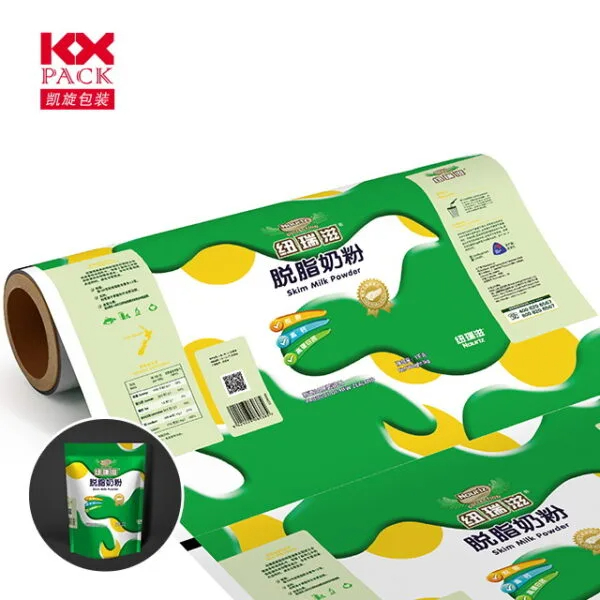
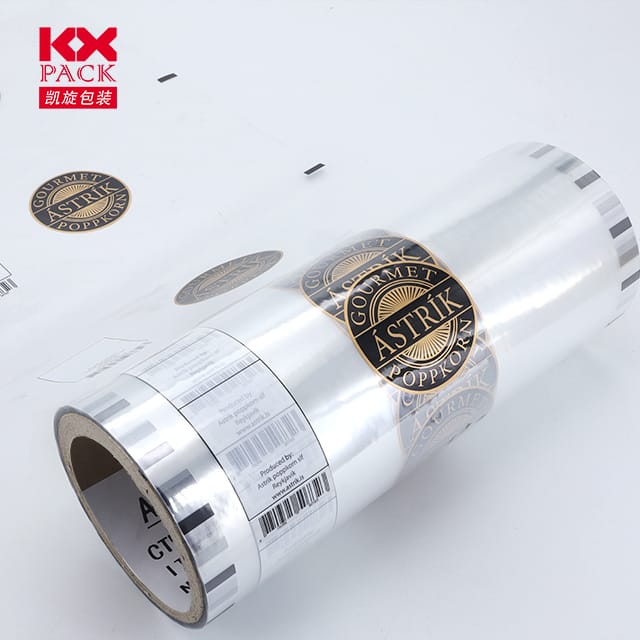
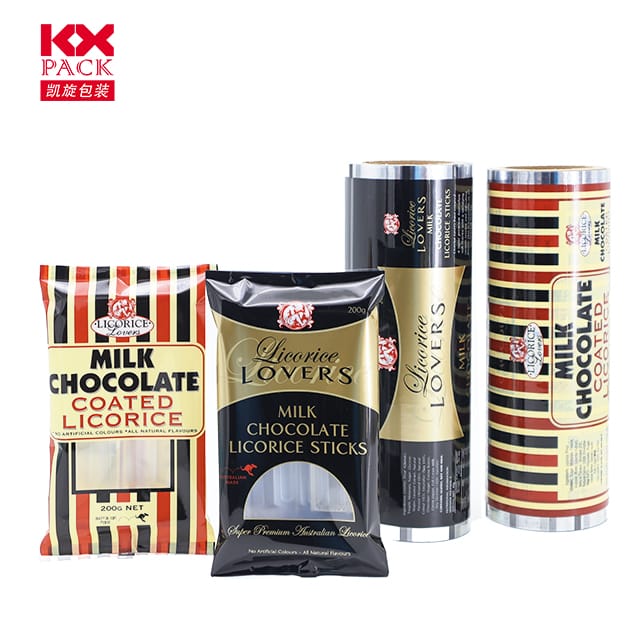
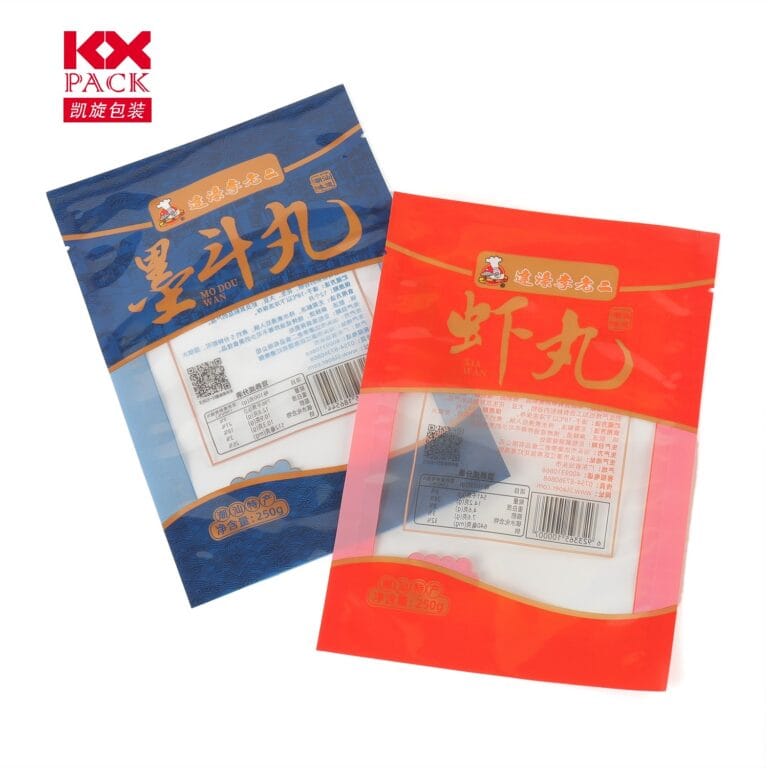
Terwyl standaard kleefplastiek perfek is vir korttermynbewaring op huishoudelike skaal, die wêreldwye voedselindustrie vereis iets baie meer robuust. Betree industriële voedselverpakkingsfilms. Dit is nie jou gemiddelde kruidenierswinkelwraps nie; hulle is hoogs gemanipuleer, meerlaagse tegnologiese wonders wat ontwerp is om raklewe van dae tot maande te verleng.
1. Gewysigde Atmosfeer Verpakking (KAART)
Het jy al ooit gewonder hoe groenteslaai in sakke vir weke perfek bros bly? Die geheim lê in gespesialiseerde voedselverpakkingsfilms gebruik in MAP. Hierdie films is ontwerp met spesifieke gaspermeabiliteitskoerse. Hulle laat 'n presiese balans van suurstof toe, koolstofdioksied, en stikstof om binne die verpakking te bestaan, die voedsel se verouderingsproses effektief plaas “om te slaap.”
2. Hoë-versperringsfilms
Vir vleis, kase, en verwerkte voedsel, vog en suurstof is openbare vyand nommer een. Gevorderd voedselverpakkingsfilms gebruik veelvuldige lae—dikwels kombineer nylon, Evoh, en poliëtileen—om 'n ondeurdringbare versperring te skep. Dit voorkom vrieskasbrand, sluit aroma in, en skakel die risiko van kruisbesmetting tydens vervoer uit.

Die Groen Revolusie: Eko-vriendelike verpakkingsoplossings
Kom ons spreek die olifant in die kamer aan: plastiek afval. Die tradisionele afhanklikheid van eenmalige plastiek kos wrap film het ongetwyfeld bygedra tot omgewingstremming. Gelukkig, die verpakkingsbedryf ondergaan 'n massiewe groen transformasie.
Verbruikers vandag eis volhoubaarheid, en vervaardigers is besig om op te tree met baanbrekende innovasies:
- PLA (Polilaktiensuur) Films: Afgelei van hernubare hulpbronne soos mieliestysel of suikerriet, hierdie films is volledig komposteerbaar onder industriële toestande.
- Sellulose-gebaseerde wraps: Gemaak van houtpulp, dit bied uitstekende helderheid en versperringseienskappe terwyl dit natuurlik bioafbreekbaar is.
- Herwinbare monomateriale: Tradisioneel, meerlaagfilms was onmoontlik om te herwin omdat die lae nie geskei kon word nie. Nuwe ingenieurswese maak voorsiening vir multi-laag voedselverpakkingsfilms geheel en al uit dieselfde polimeerfamilie gemaak (soos heeltemal poliëtileen), maak hulle 100% herwinbaar.
Om eko-vriendelike alternatiewe te kies, beteken nie meer dat prestasie opgeoffer word nie. Die nuutste bio-gebaseerde films bied dieselfde klou, helderheid, en sterkte as hul petroleum-gebaseerde voorouers.
Hoe om die regte film vir jou behoeftes te kies
Met soveel opsies beskikbaar op die mark, die keuse van die toepaslike materiaal kan oorweldigend voel. Hier is 'n vinnige uiteensetting om jou besluit te lei:
| Toepassing | Aanbevole materiaal | Sleutelvoordeel |
| Daaglikse oorskiet & Huishoudelike Gebruik | Poliëtileen (PE) kos wrap film | Veilig, chemikalievry, maklik om te gebruik |
| Vars Vleis & Pluimvee (Kommersieel) | PVC of hoë-versperring mede-geëxtrudeerde film | Uitstekende suurstofoordragbeheer, premie duidelikheid |
| Bevrore kosse | Gelamineerd voedselverpakkingsfilms (PET/PE) | Hoë punksieweerstand, voorkom vrieskasbrand |
| Eko-bewuste handelsmerke | Komposteerbare PLA of monomateriaal PE | Verminder koolstofvoetspoor, 'n beroep op groen verbruikers |
Beste praktyke vir veilige voedselberging
Om die absolute meeste uit jou kos wrap film, hou hierdie praktiese wenke in gedagte:
- Vermy hoë hitte: Tensy 'n film uitdruklik gemerk word as “mikrogolf veilig,” vermy dat dit aan vetterige of hoë-suiker kosse raak tydens verhitting, aangesien die intense hitte die film kan laat smelt.
- Verseker 'n digte seël: Wanneer houers toegedraai word, maak seker dat die rande droog is. N droë rand laat die kos wrap film om 'n behoorlike lugdigte binding te vorm.
- Berg korrek: Hou jou ongebruikte filmrolletjies koel, droë plek weg van direkte sonlig om hul gom eienskappe te bewaar.
Laaste gedagtes: Die toekoms van voedselbewaring
Die evolusie van kos wrap film en kommersiële voedselverpakkingsfilms bewys dat ons nie hoef te kies tussen voedselveiligheid en omgewingsverantwoordelikheid nie. Soos tegnologie vorentoe marsjeer, ons kan uitsien na selfs slimmer verpakking—films wat van kleur verander wanneer kos bederf, of eetbare wraps gemaak van seewierproteïene.
Deur die materiaal te verstaan wat ons gebruik om ons kos te beskerm, ons kan voedselvermorsing verminder, geld spaar, en maak keuses wat ons planeet met respek behandel.
Wat is jou gedagtes oor die toekoms van volhoubare verpakking? Het jy al oorgeskakel na komposteerbare wraps? Laat weet ons in die kommentaar hieronder!